The importance of building muscle mass
Gaining muscle mass is essential to changing your physical appearance, enabling you to develop larger, more powerful muscles. This usually translates into a significant improvement in physical strength, endurance and overall athletic performance.
In addition to helping you build bigger, stronger muscles, muscle mass gain plays a key role in your metabolism. This will allow your muscles to burn calories even when you’re not doing anything. So the more muscle you gain, the easier it will be to maintain a healthy body weight and control your overall appearance. What’s more, well-developed muscles can improve your posture and reduce the risk of injury, as they provide better support for your body. In short, building muscle mass is not just a question of appearance, it also contributes to a better quality of life and better overall health.
The benefits of well-planned weight gain
Well-planned muscle building has many benefits that go beyond simple muscle growth.
Here are some of the key benefits:
- Increased strength: well-managed muscle mass gain usually translates into a significant increase in physical strength, enabling you to lift heavier loads and perform better in sports.
- Improved metabolism: Muscles are metabolically active tissues that burn calories even at rest. By gaining muscle, you increase your basal metabolic rate, making it easier to maintain a healthy body weight.
- Body composition control: Gaining muscle mass helps reduce body fat by increasing the proportion of lean mass, thus improving your overall appearance and body composition.
- Body composition control: Gaining muscle mass helps reduce body fat by increasing the proportion of lean mass, thus improving your overall appearance and body composition.
- Better blood sugar management: Well-developed muscles can help regulate blood sugar levels, which is particularly important for people with or predisposed to diabetes.
- Bone strengthening: Resistance exercise combined with muscle mass gain not only strengthens muscles, but also bones, reducing the risk of fractures and osteoporosis-related problems.
- Improved posture : Well-balanced, well-developed muscles contribute to optimal posture, reducing muscle tension and back pain.
- Reduced risk of injury : A stronger body is less likely to sustain injuries during physical activities or everyday life.
- Increased self-confidence: The visible results of your muscle mass gain can boost your self-esteem and confidence in your physical abilities.
- Better overall health: Ultimately, well-planned muscle gain contributes to your overall well-being by improving your physical, mental and emotional health.
The risks of poorly managed weight gain
While building muscle mass can bring many benefits, a poorly planned approach can also entail health risks and drawbacks.
That’s why it’s essential to understand these potential risks in order to plan and manage your weight gain in a balanced and sustainable way.
Nutrition for weight gain
You can’t gain mass without knowing the role of nutrition. In fact, it’s your diet that will provide the essential elements needed for muscle growth, recovery and optimizing your metabolism. Find out how to adapt your diet to support your muscle-building goals, which macronutrients to choose, which foods are rich in protein and calories, and how to use supplements wisely to maximize your results.
Essential macros for muscle growth
Macronutrients, also known as “macros”, play an essential role in muscle growth. They provide the nutrients needed for the development and repair of muscle tissue. Here are the essential macros to consider for effective muscle growth:
- Protein Proteins are the basic building blocks of muscle. They supply the amino acids needed for muscle protein synthesis. Make sure you eat enough high-quality protein sources, such as lean meat, fish, eggs, dairy products, soy and legumes.
- Carbohydrates Carbohydrates are an essential source of energy for intensive training and recovery. They replenish muscle glycogen reserves and stimulate muscle growth. Opt for complex carbohydrates such as whole grains, vegetables, fruit and legumes.
- Lipids Fat is important for the production of hormones, including those that promote muscle growth. Healthy fats from oils, nuts, seeds and avocados are essential for optimal hormone regulation.
- Fibers Fiber contributes to healthy digestion and efficient nutrient absorption. They are found in vegetables, fruit, whole grains and legumes. Be sure to include sources of fiber in your diet to maintain optimal digestive health.
- Water Hydration is often overlooked, but is crucial to muscle growth. Water helps regulate body temperature, transport nutrients and eliminate metabolic waste. Make sure you drink enough water throughout the day.
Micronutrients In addition to macronutrients, vitamins and minerals play a vital role in muscle growth. Make sure you eat a variety of foods to cover your micronutrient needs. Supplements may be necessary if you have deficiencies.
Foods rich in protein and calories
Protein- and calorie-rich foods are essential to effectively support muscle mass gain while providing the energy needed for training and recovery. Here’s a list of foods you must include in your diet to reach your goals:
When planning your muscle-building meals, include a variety of these foods to get the right balance of protein and calories!
The importance of dietary supplements
Here are a few reasons why they may be important for people looking to gain muscle mass:
- Additional protein intake: Protein powders (such as whey, casein and vegetable proteins) are handy for meeting your protein requirements, especially if you find it hard to get enough protein from your diet alone.
- BCAAs (branched-chain amino acids): BCAAs, such as leucine, isoleucine and valine, can help prevent muscle breakdown during intense training and aid recovery.
- Creatine: Creatine is a popular supplement that can increase muscle strength and endurance, which can improve training performance.
- Intra-workout carbohydrates: Carbohydrate-based drinks can provide energy during exercise, improving endurance and performance during resistance training.
- Omega-3: Omega-3 supplements, such as fish oil, can reduce inflammation, promote muscle recovery and support overall health.
- Vitamins and minerals: If your diet is deficient in certain vitamins or minerals essential for muscle growth, supplements can help fill the gap.
- Calorie management: Dietary supplements such as gainers (which provide extra calories) can be useful for people who have difficulty consuming enough calories through food alone.
However, it is crucial to note that dietary supplements should not be used as a substitute for a balanced and varied diet. Rather, they should be seen as a complement to a healthy diet and regular training.
Training for weight gain
Although nutrition is essential, it’s the effort you put into your training program that will stimulate muscle growth. So without further ado, discover the keys to training for weight gain; all our advice, techniques and specific programs to help you achieve your goals.
The right training program for weight gain
This is the general program recommended for building muscle mass. Its aim is to stimulate muscle growth, focusing primarily on the so-called “explosive” muscle fibers. It is based on the following principles:
-
100% bodybuilding
This program is entirely dedicated to bodybuilding, putting aside other types of exercises such as cardio
for
example.
-
80% core exercises and 20% isolation exercises
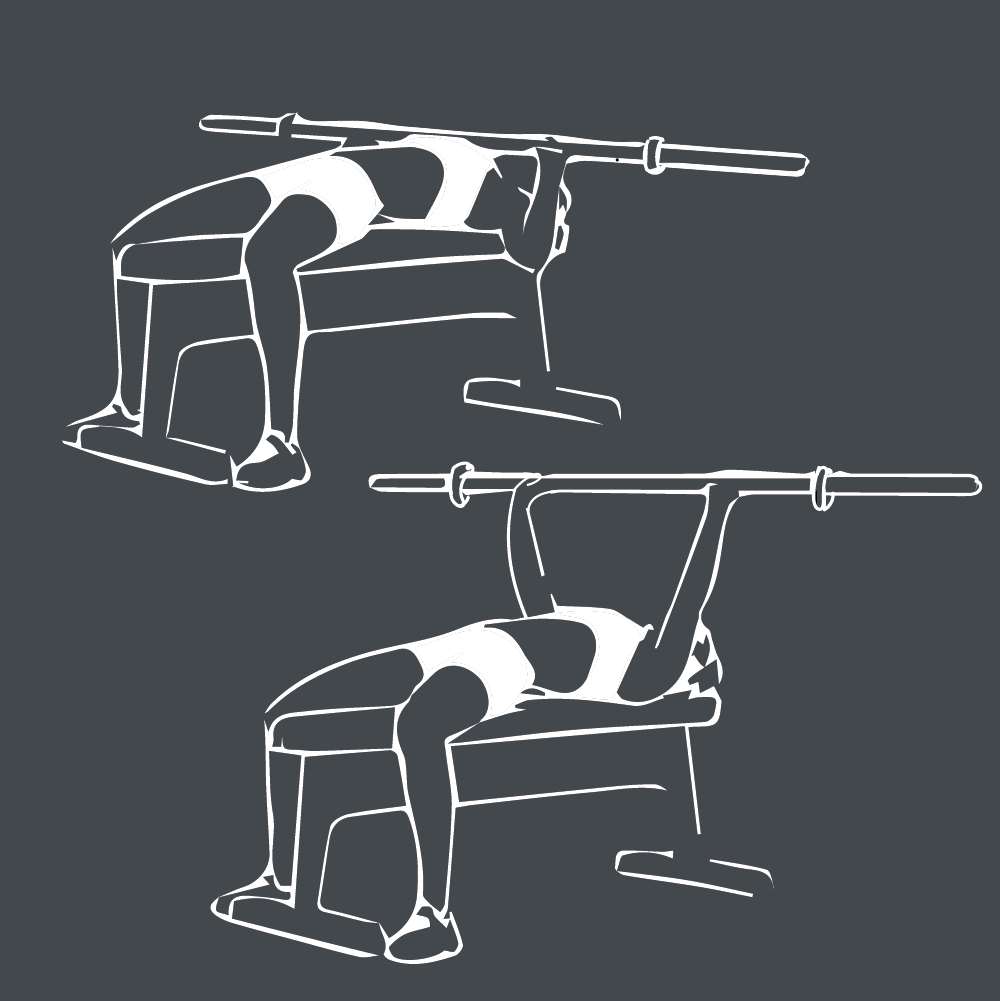
It mainly consists of polyarticular (basic) exercises such as squats, bench presses, deadlifts, etc., which challenge multiple muscle groups at the same time.
Isolation exercises, on the other hand, are used to target specific muscles.
-
50% moderate loads and 50% heavy loads
The program should include a balance between moderate loads, which promote muscular
endurance
and heavy loads, which promote strength and muscle growth.
-
Frequency of 3 workouts per week
To promote recovery and allow muscles to grow, the program recommends three workouts per week.
-
1 hour workout duration
Each workout is designed to last approximately one hour, to maintain a balance between training intensity and recovery.
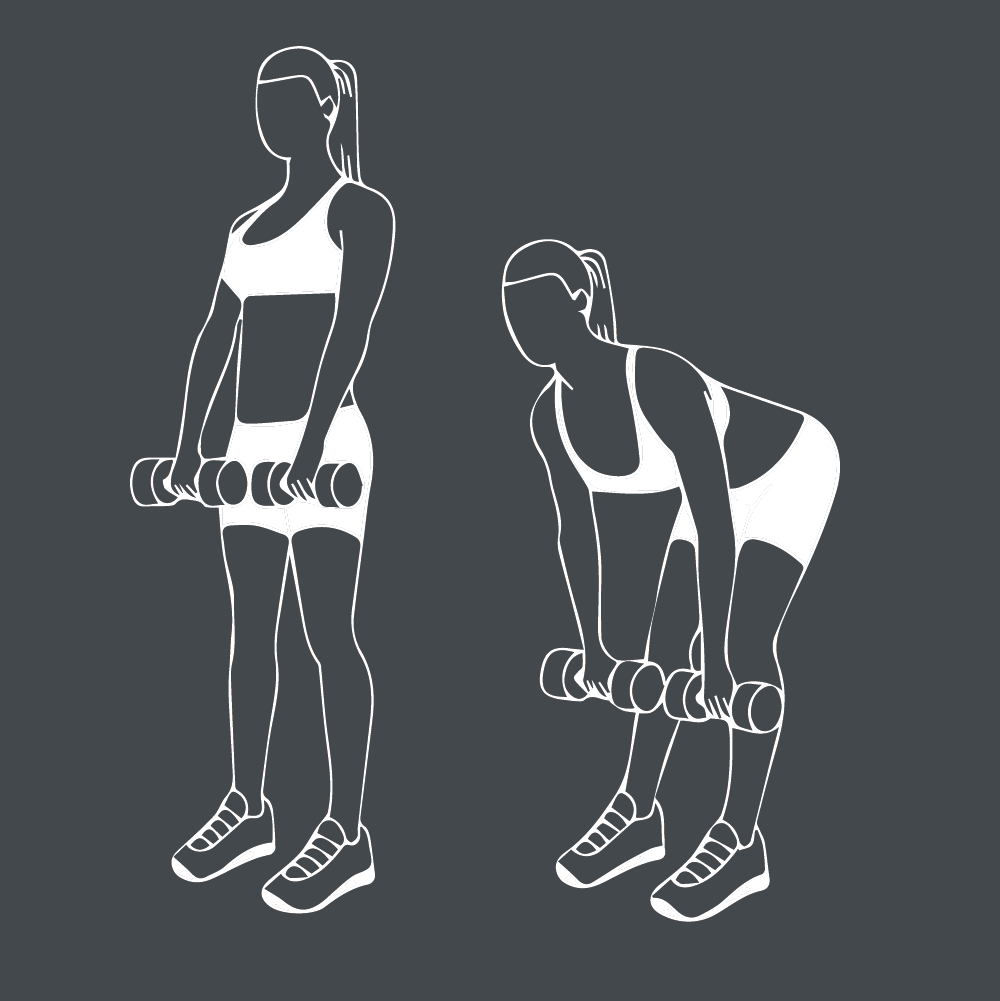
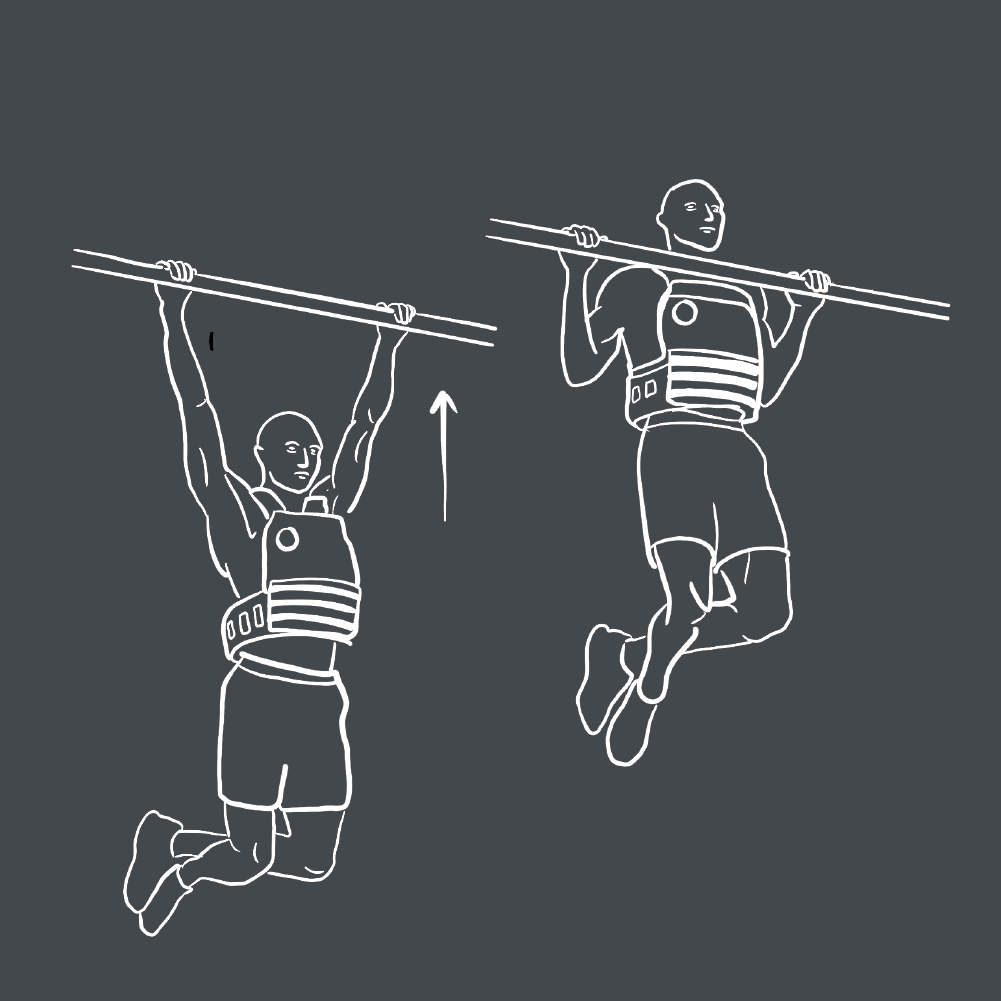
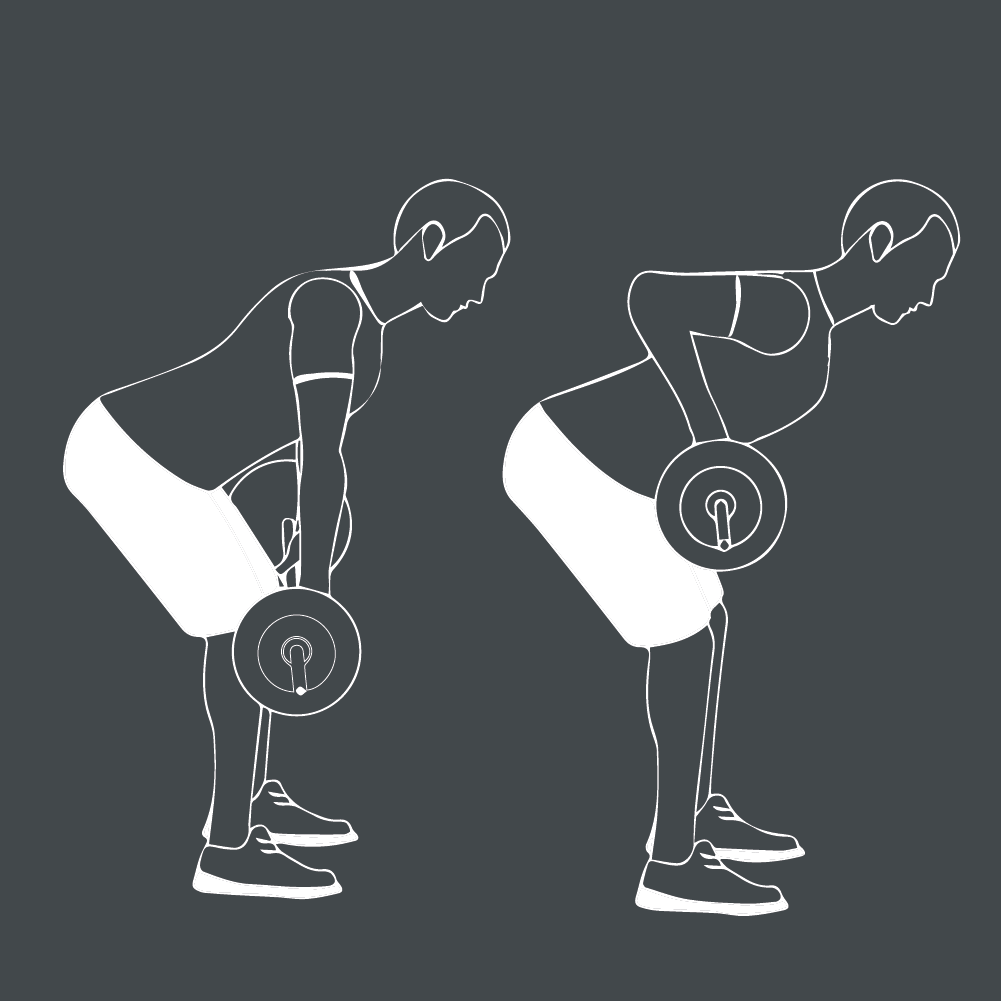
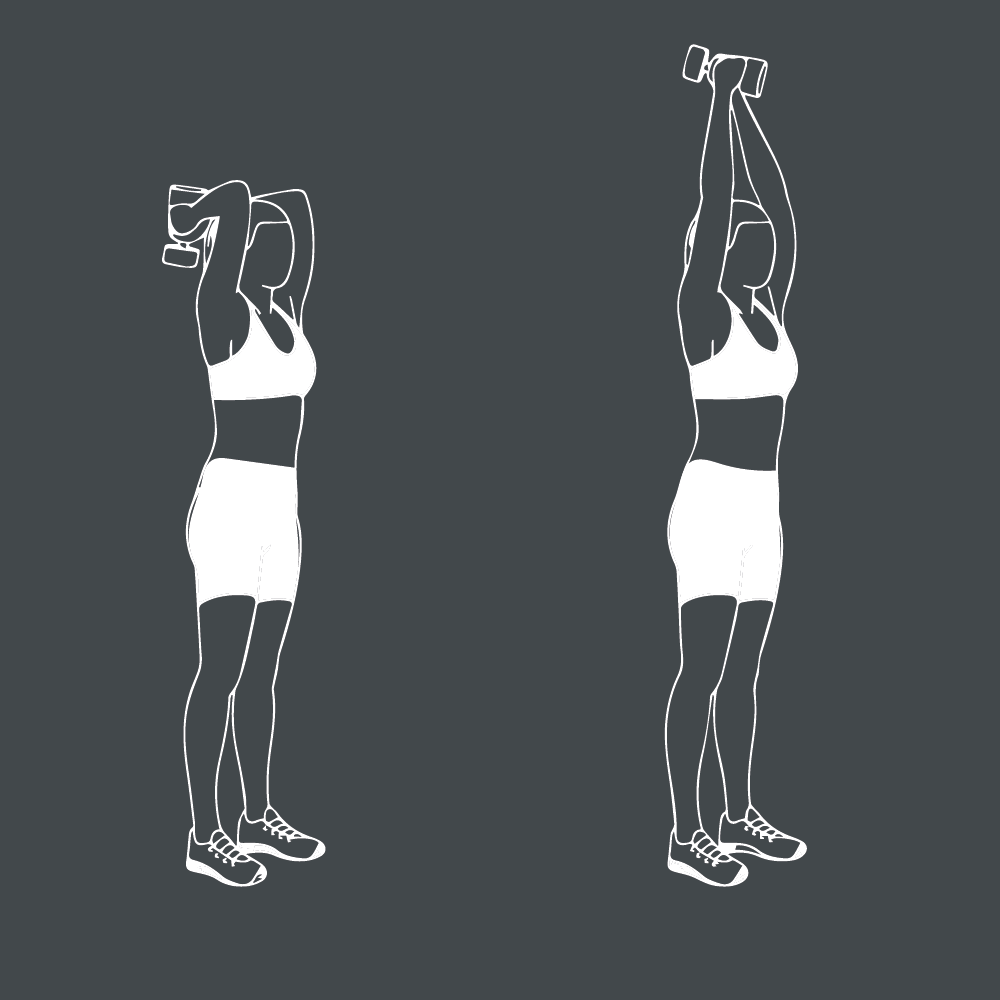
Essential muscle-strengthening exercises
Here is a list of must-do exercises to include in your muscle-building program:
Progression and intensity in training
Progressive loading is an essential pillar of training for muscle mass gain. This approach involves constantly increasing the resistance or load you use over the course of your workouts. This principle is based on the belief that to maintain muscle growth, you need to continually challenge your muscles by increasing the difficulty of your exercises.
By combining proper nutrition with essential muscle-building exercises, you can create the ideal conditions for stimulating significant muscle growth. Don’t forget that it takes patience to see significant results in terms of muscle mass gain, because results are not immediate. However, by remaining determined, you can progress towards your goals and transform your body over time.