
- GladiatorFit Pro
4 tips for a well-equipped gym
The equipment in a gym is much more than a simple arrangement of fitness equipment. It’s the foundation on which every training experience rests. Choosing the right equipment and arranging the space appropriately can make all the difference between an enjoyable, effective workout and a frustrating, ineffective experience.
In this guide, discover the 4 essential tips for equipping your gym. From the precise definition of your needs and objectives to the rigorous selection of the right equipment, from the intelligent layout of your space to the regular maintenance of your equipment, explore every step to create an environment conducive to success and well-being.
As an entrepreneur wanting to offer a quality experience to your customers in a commercial gym, these tips will help you get off to a good start and optimize your results.
Defining needs and objectives
Before you embark on equipping your gym, it’s crucial that you clearly define your needs and objectives. This first step will determine the direction your layout will take, as well as the choices you’ll make in terms of equipment and budget.
What type of training do you offer at your gym?
The first question to ask yourself is what type of training you want to offer in your gym. Your needs can vary considerably depending on your target audience and your own interests. If you’re targeting a general fitness audience, you’ll need to include a variety of cardiovascular and strength training equipment. On the other hand, if your gym specializes in powerlifting or cross-training, you will need more specific equipment such as squat racks Olympic bars and kettlebells .
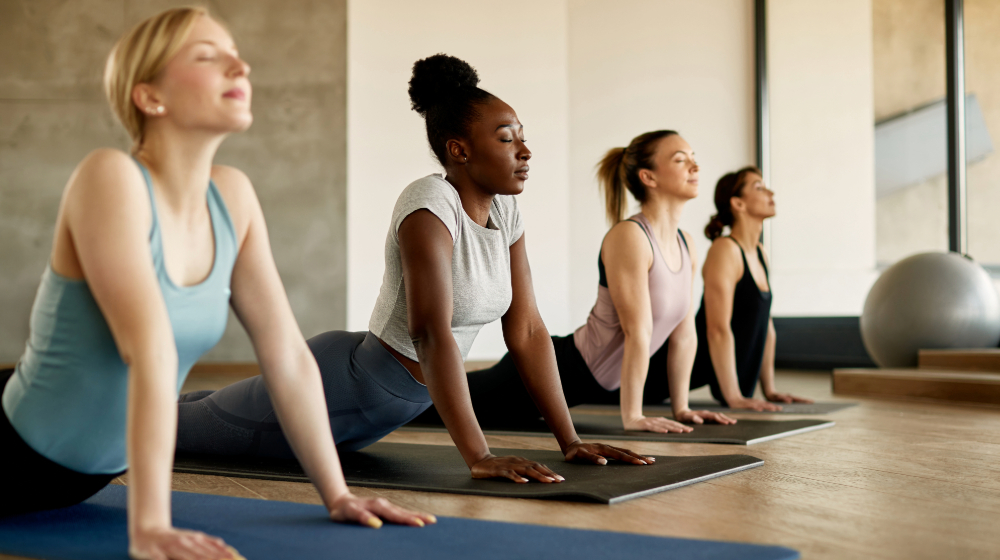
It’s also important to consider market trends and the interests of your potential customers. For example, group classes such as yoga, pilates or spinning are becoming increasingly popular and can be a valuable addition to your workout offering.
What's your budget?
Once you have a clear idea of the type of training you want to offer, it’s time to evaluate your budget. Fitness equipment can represent a major investment, so it’s essential that you set a realistic budget from the outset.
Take into account not only the initial cost of purchasing the equipment, but also the costs of installation, delivery and, where applicable, staff training. And be sure to leave a margin for any unforeseen costs or long-term maintenance expenses.
If your budget is limited, start with the most essential equipment and gradually add other items as your gym grows. Prioritize the equipment that best matches your objectives and target audience. Don’t be seduced by gadgets or luxury equipment you don’t really need.
Choosing the right equipment
Once you’ve defined your needs and goals, it’s time to choose the right equipment for your gym. This decision will directly influence your users’ experience and the quality of their workouts.
Cardio equipment
Cardio equipment is essential for any gym. They offer an effective opportunity to improve cardiovascular health, burn calories and increase endurance. The most common cardio equipment includes :
- Treadmills Ideal for intense cardio training, they improve endurance and burn calories. They simulate outdoor racing with tilt and speed options.
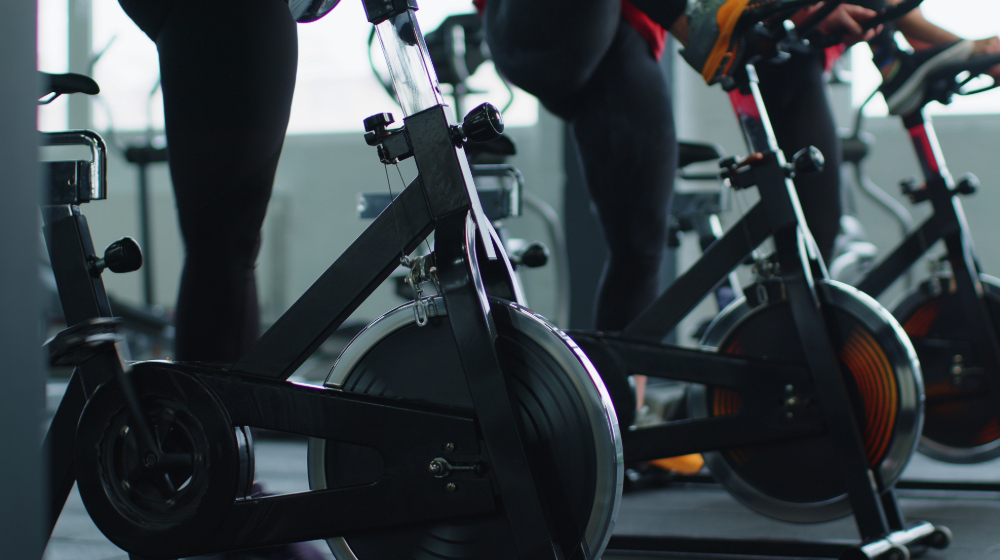
- Stationary bikes Perfect for low-impact training, they strengthen leg muscles and improve cardiovascular health. Suitable for all fitness levels.
- Elliptical bikes They offer a complete body workout by combining leg and arm movement. They minimize stress on joints while providing adjustable resistance.
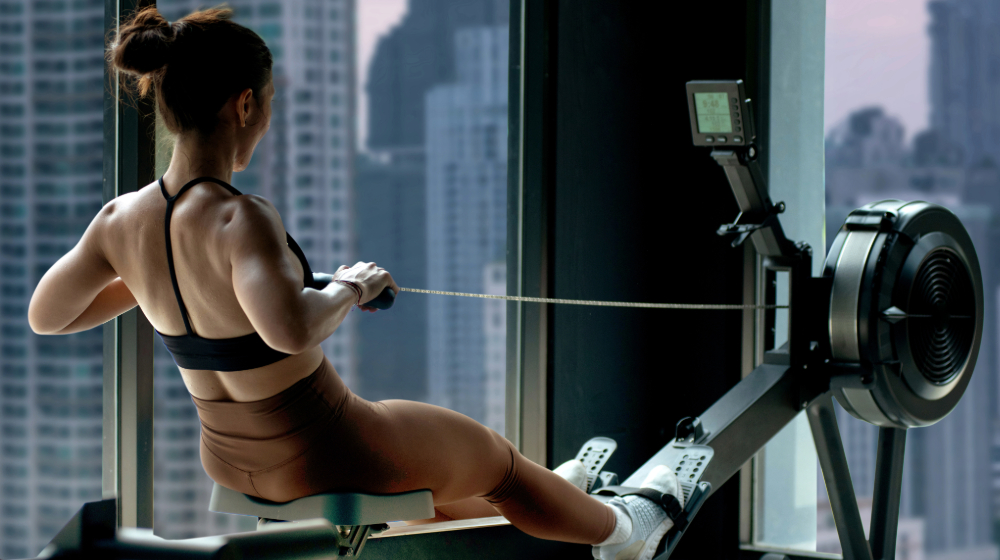
- Rowers Excellent for a complete cardio and strength workout, they engage both upper and lower body muscles. They improve strength, endurance and coordination.
- Steppers They simulate stair climbing for a targeted workout of leg and buttock muscles. They strengthen muscles and improve cardiovascular endurance.
Fitness accessories
Fitness accessories help improve performance and diversify workouts. The most popular options include :
- Yoga mats They provide support and traction for yoga postures, stretching and strengthening exercises. They improve balance and flexibility.
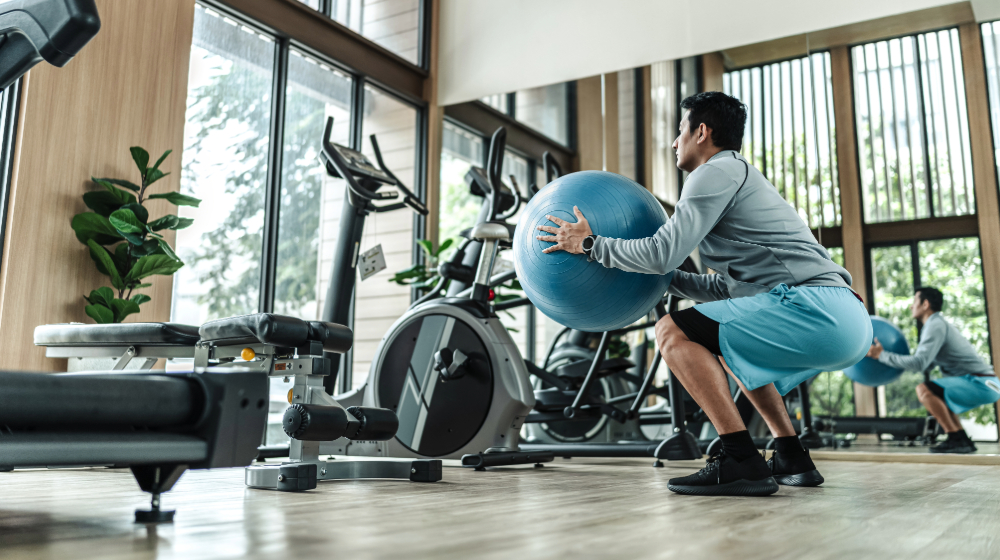
- Exercise balls They are used to strengthen core muscles and improve balance and stability. They promote better posture and reduce the risk of injury.
- Resistance bands They are ideal for adding resistance to strength training, rehabilitation or stretching exercises. Lightweight and portable, they provide a complete workout.
- Step The Step is used for cardiovascular and muscle-strengthening workouts, especially for leg and buttock muscles.
- Bosu Ideal for balance, stability and muscle-strengthening exercises. It improves coordination, core strength and proprioception.
Space planning
Once you’ve selected the right equipment for your gym, the next step is to design the space in such a way as to optimize your users’ experience.
Choosing the right location
Choosing the location of your gym is a strategic decision that can have a significant impact on the success of your business. Ideally, your location should be easily accessible to your potential customers, whether they live nearby or workers who want to train before or after work. Target high-potential areas for your gym. Prefer densely populated areas or neighborhoods with a high concentration of businesses, offices or residences.
In addition, make sure your location offers adequate parking for your customers, as well as optimal visibility to attract new members. If possible, look for a location with large windows or a glass front to let in natural light and create a welcoming atmosphere.
Optimizing space
Once you’ve found the right location, it’s time to optimize the available space to create a functional and attractive gym. Carefully plan the layout of your equipment to maximize the use of space while ensuring smooth circulation for your users. Make sure you leave enough space between equipment to avoid clutter and ensure safety.
Make intelligent use of every square meter of your gym by creating distinct zones for different types of training, such as cardio zones, strength training zones and stretching zones. Also consider incorporating multi-purpose spaces for group classes or group workouts.
Creating a motivating environment
Creating a stimulating and motivating environment is essential to motivating your customers. Use bright, energetic colors, brightly colored mirrors to reinforce form and technique, as well as inspiring decorative elements such as motivational quotes or images of sporting success.
Invest in a quality sound system to play upbeat, encouraging music. Make sure your gym has the right lighting to create a dynamic, positive atmosphere.
Maintaining sports facilities
The maintenance of sports equipment is essential to keep your gym running smoothly. Here are a few tips to prolong the life of your equipment and ensure a safe environment for everyone:

Regular cleaning :
Clean your equipment regularly to eliminate dirt, perspiration and bacteria. Use cleaning products adapted to each type of equipment to prevent damage.

Preventive maintenance :
Periodically check your equipment for signs of damage or wear. Repairs or replaces defective parts as soon as possible to avoid major breakdowns.

Lubricating moving parts :
Make sure your equipment's moving parts, such as joints and bearings, are properly lubricated to prevent premature wear and breakage.

Suitable storage :
Store your equipment in a dry, well-ventilated place to avoid corrosion and deterioration caused by moisture and mould. Use protective covers if necessary to protect equipment from dust