


- Sports tips
A beginner's guide to yoga: Practical advice on choosing the right style, the right accessories and setting up a routine to suit your schedule.
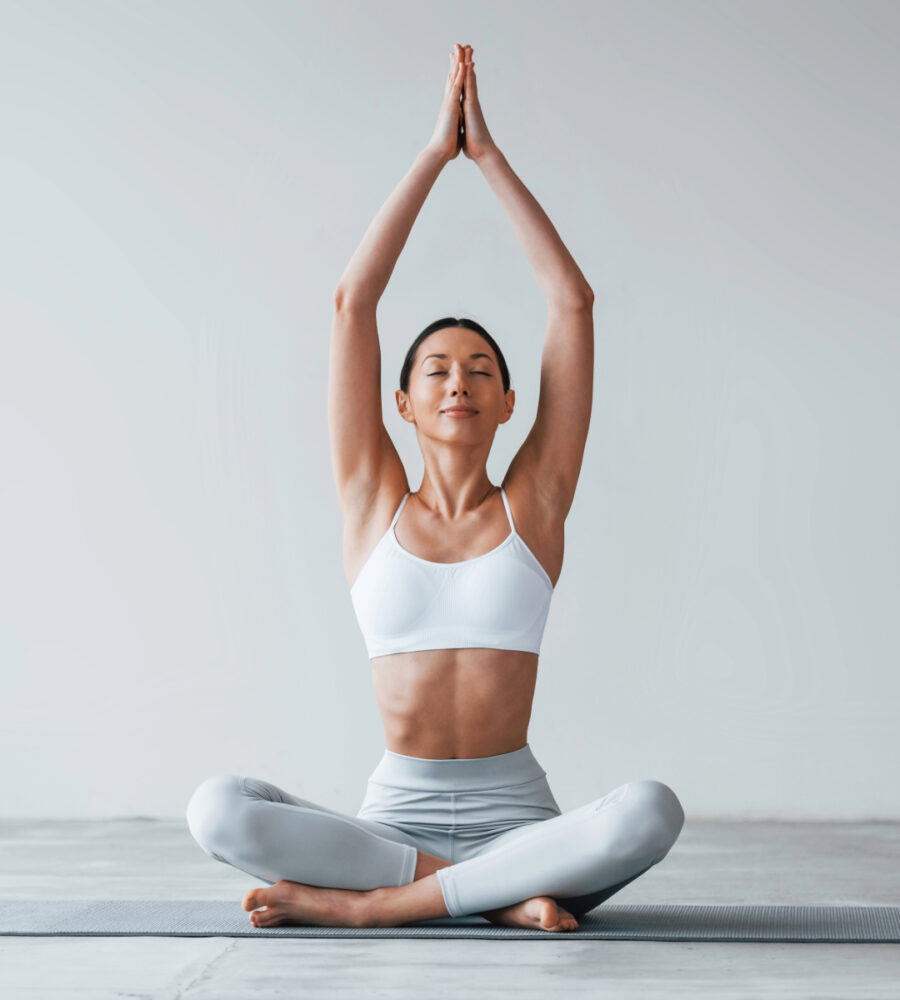
Yoga is a discipline that is attracting more and more people. In fact, much more than a physical activity, it’s also a practice that helps to balance body and mind. Whether you’re looking to relax, strengthen your muscles or simply reduce everyday stress, yoga offers multiple benefits. In addition to improving flexibility and strength, it promotes concentration and serenity.
To enjoy the many benefits of yoga, it’s essential to choose the right approach. In this guide you’ll find all our advice on how to choose the right yoga style and accessories for you. We’ll also help you set up a routine that fits your schedule.
Table of Contents
Why start yoga?
Yoga is much more than just a physical activity. It combines body and mind to create a complete harmony that contributes to well-being. These are the benefits of practicing yoga:
- Improved physical health Yoga strengthens muscles, improves flexibility and posture. It also helps prevent chronic pain, particularly back and joint pain.
- Stress reduction and mental well-being Focusing on breathing and movement releases tension. This helps reduce stress. Yoga helps you manage your emotions and calm your mind.
Developing concentration Regular yoga practice helps you to concentrate better on everyday tasks.
How to choose the right yoga style for beginners?
Here are the most common styles of yoga for beginners:
The different styles of yoga
- Hatha Yoga This is the ideal style for beginners. It focuses on basic postures, held for longer periods, while concentrating on breathing. It’s ideal for mastering the foundations of yoga and gradually developing strength and flexibility, without rushing.
- Vinyasa Yoga Vinyasa is a more dynamic practice. The postures follow one another fluidly, synchronized with the breath. This style is perfect if you’re looking for a balance between strength, flexibility and endurance, while remaining in a continuous flow.
- Yin Yoga Yin is a more relaxing approach. It focuses on deep stretching and relaxation. The postures, held for longer periods, soften muscles and improve flexibility, while releasing mental tension.
- Ashtanga Yoga More intense and structured, this style suits those who like discipline and repetition. Although a little demanding for complete beginners, it offers rapid progression for those seeking a more advanced physical challenge.
Identify your personal goals and needs
The choice of yoga style depends on your goals and specific needs. Are you looking to relax and relieve stress, or improve your strength and flexibility? Here are some recommendations based on your goals:
- Relaxation and mental well-being Yin Yoga and Hatha Yoga are ideal for calming the mind.
- Muscular strengthening Vinyasa or Ashtanga offer more physical work, perfect for developing muscles while improving endurance.
- Flexibility : Yin Yoga, with its prolonged stretching, will help you gain flexibility.
For a comfortable start to your yoga practice, get yourself a yoga mat. Choose this non-slip yoga mat made of foam. It offers good firmness for a comfortable workout.
Essential yoga accessories for beginners
It’s important to have the right equipment to practice yoga effectively. Here are the basic accessories you’ll need:
The yoga mat - your foundation
The mat is an indispensable part of yoga practice. Choose a model with good grip to avoid slipping. It should be comfortable enough to protect your joints.
The yoga mat GladiatorFit in natural rubber is ideal for beginners. Made from natural rubber for optimum grip. With its 5 mm thickness, it is very comfortable on the joints.
Yoga blocks to improve posture
Yoga blocks help you adapt the postures to your level of flexibility and strength. With these accessories, you can adjust postures to avoid strain or injury, while maintaining correct alignment. For example, if you can’t touch the ground in a posture, you can place a block under your hand to hold the position while remaining flexible. Yoga blocks are also very useful for reinforcing stability in certain balance postures.
To get started in yoga, discover this eco cork yoga block GladiatorFit. Non-slip, it’s made from cork, an environmentally-friendly material.
The yoga strap - for greater flexibility
For gentle progress towards greater flexibility, the yoga strap is an essential accessory. It helps you perform difficult postures and stretch your muscles safely, without the risk of straining or injuring yourself.
By using a strap, you can hold certain postures for longer, encouraging progressive stretching of the muscles. This tool is therefore indispensable for people who lack flexibility.
To help you with your postures and improve your practice, opt for the yoga strap GladiatorFit. It’s made from cotton, making it tough and durable.
Other accessories (bolster, cover, etc.)
For a better yoga experience, here are some accessories that may be useful:
- The bolstera cylindrical cushion, is perfect for relaxation postures and prolonged stretching. It supports parts of the body, such as the back or legs, reducing tension.
- The yoga blanket is another valuable ally. Folded under the knees or hips, it offers support in certain postures. In Savasana (the final relaxation posture), a warm blanket keeps you comfortable and allows you to enter fully into a state of relaxation.
- The massage rollers are ideal for releasing muscular tension before or after a yoga session. They provide a deep massage to specific areas, such as the back, legs or shoulders, to promote muscle recovery.
- The yoga balls are used to reinforce your balance and strength. They help develop stability and coordination and work deep muscles that are often underused.
How do you integrate yoga into your daily life?
Here are a few tips for integrating yoga into your life and creating a routine that fits your schedule.
Define your personal goals and the time you have available
First, define your personal goals: do you want to practice yoga to relax, improve your physical health or achieve greater flexibility? Once you’ve defined your goals, work out how much time you can devote to them. 10 to 15 minutes a day may be enough to get you started.
Tips for a smooth start
Start your yoga practice gently. Avoid sessions that are too long or too intense. Start with short sessions of 10 to 20 minutes, then increase gradually. Don’t hesitate to watch yoga videos for posture ideas. You can also use apps to follow specific programs.
The importance of regularity
The key to success in yoga is regularity. Ideally, you should do a session every day, even if it only lasts 10 to 15 minutes. By integrating yoga into your daily routine, you gradually strengthen your body and develop your flexibility.
A short but regular practice helps to anchor good habits and maintain a deep connection with yourself. In the long term, this regularity has a significant impact on your well-being: it reduces stress, improves posture, strengthens muscles and promotes flexibility.
What not to do when starting yoga
Comparing yourself to others
Yoga is a personal practice. It’s essential not to compare yourself to others, whether in class or online. Everyone progresses at their own pace.
Neglecting warm-up and cool-down
A good warm-up before starting and a gentle cool-down at the end of the session are essential to avoid injury.
Forcing uncomfortable postures
Respect your limits. Don’t force a posture if it causes pain and discomfort. Use accessories like blocks or straps to help you adapt postures.
Start your yoga journey with the right tools
Yoga is the ideal way to improve your physical and mental well-being. As a beginner, choose the style that suits your goals and the right accessories. You also need to create a routine according to your schedule to maintain regularity.
Ready to get started with yoga? Discover a selection of yoga equipment to get you started in the best possible conditions.
Tips for choosing the right equipment
Depending on your fitness goals
It’s essential to choose your equipment according to your fitness goals.
Weight loss, muscle strengthening, endurance
If you’re looking to lose weight, cardio equipment such as skipping rope or cycling will be ideal. For muscle strengthening, opt for dumbbells, kettlebells or a TRX system. To develop your stamina, invest in multi-purpose equipment such as a punching bag for cardio and strength training, or resistance bands for varied and progressive bodybuilding exercises.
Equipment versatility and budget
To optimize your investment, choose versatile equipment that can be adapted to different types of training. Compare prices and features to find the best value for your money.
The importance of quality and safety
Invest in sustainable products
By choosing durable equipment, you save money in the long term. High-quality accessories ensure long service life, reducing replacement costs.
Certified, brand-name equipment
Choose certified equipment from brands renowned for their quality and reliability. This will enable you to train safely and achieve the best possible results.
Discover a selection of GladiatorFit products suitable for these exercises
GladiatorFit offers you a whole range of products to help you perform these exercises. Below is a list of articles we recommend to help you carry out your session as efficiently as possible.


