
- Sports tips
CrossTraining program
Discover the secret to transforming your physical condition, pushing your limits and achieving spectacular results. The CrossTraining program offers an interesting approach to training, combining various exercises to stimulate the body in a complete and effective way.
What is CrossTraining?
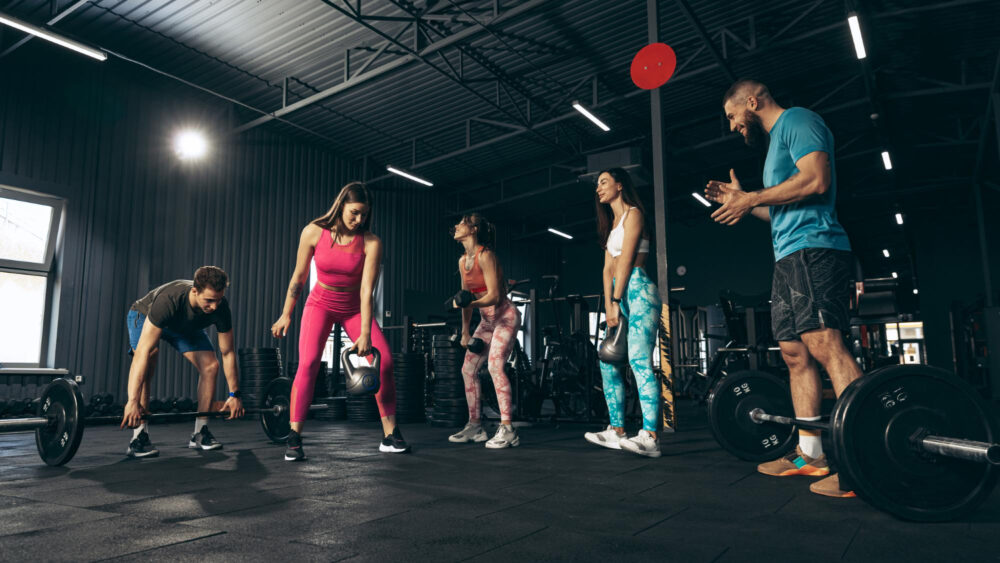
CrossTraining is a complete physical activity which consists in linking several exercises in an intense and dynamic way, following the circuit-training principle. This concept, whose name means cross-training, combines different disciplines and training methods. It’s a harmonious fusion of athletic strength, weightlifting, gymnastics and endurance sports, creating a complete workout that engages every muscle in the body.
The aim of CrossTraining is to offer a wide variety of exercises and training methods, while regularly modifying the accessories used. Emphasis is placed on the functionality of movements, aiming to reproduce the body’s natural movements. This approach continually surprises the body, promoting gains in strength, endurance, coordination and flexibility.
With CrossTraining, you’re constantly pushed to surpass yourself, push your limits and adapt to new challenges. Whether you’re a beginner looking to improve your fitness or an experienced athlete looking to optimize your performance, CrossTraining offers endless training possibilities and constant progression. Get ready to embark on a challenging training journey, where you’ll develop not only your body, but also your mind, pushing back the barriers of your physical abilities.
What's the difference between CrossTraining and CrossFit?
Philosophy and origins
CrossTraining and CrossFit are two approaches to training that share some similarities, but also have some distinct differences. First of all, the philosophy and origins of the two disciplines differ. CrossFit was created in the 2000s by Greg Glassman, with the aim of developing all-round, all-purpose physical preparation. CrossTraining, on the other hand, is a training method that uses a variety of exercises from different sporting disciplines to improve physical fitness.
Approach to training
In terms of training approach, CrossTraining focuses on building muscle, developing strength and endurance, and improving overall fitness. CrossFit, on the other hand, focuses more on functional movements and uses a wide range of exercises such as weightlifting, gymnastics and cardio.
Session structure
The structure of the sessions is also different between CrossTraining and CrossFit. CrossTraining generally offers structured workouts with exercise circuits combining cardio and muscle strengthening. CrossFit, on the other hand, takes a high-intensity approach to training, where sessions are timed and include a rapid sequence of varied exercises.
Levels of intensity and competition
Levels of intensity and competition may also differ between the two disciplines. CrossTraining can be practised at different levels of intensity, adapted to each individual’s abilities and objectives. CrossFit, on the other hand, is often associated with more intense competition, with workouts aimed at preparing for official competitions.
Accessibility and adaptability
In terms of accessibility and adaptability, the practice of CrossTraining is freer. Each sports club can offer circuit training with its own rules. This discipline can be practiced anywhere, at home, outdoors, or with a sports coach. Whether on your own or in a group, the aim is both to get back into shape and general physical preparation. CrossFit, on the other hand, follows a more structured and uniform programming, with standards of movement and specific workouts to follow.
The benefits and advantages of CrossTraining

A complete workout:
CrossTraining stands out for its global approach to training. Son's main objective is to give the body the most complete workout possible in the shortest possible time. It covers all sporting or athletic qualities such as agility, speed, strength, coordination, balance and even endurance. By integrating a variety of exercises from different disciplines, such as bodybuilding, gymnastics, weightlifting and many others, CrossTraining enables each muscle group to be worked in a balanced way. Not only does this help to develop harmonious musculature, it also improves the body's functional capacities, necessary for everyday life and sporting activities.

Session length :
One of the most popular features of CrossTraining is the duration of training sessions. In today's busy world, time is precious, and CrossTraining offers an effective solution for those with little time to devote to sport. On average, each CrossTraining session lasts between 45 and 60 minutes. This relatively short duration allows you to maximize the intensity of your training and achieve significant results in the shortest possible time. However, it is recommended that you do at least 2-3 CrossTraining sessions a week to reap the full benefits and make steady progress.
Varied training and exercises:
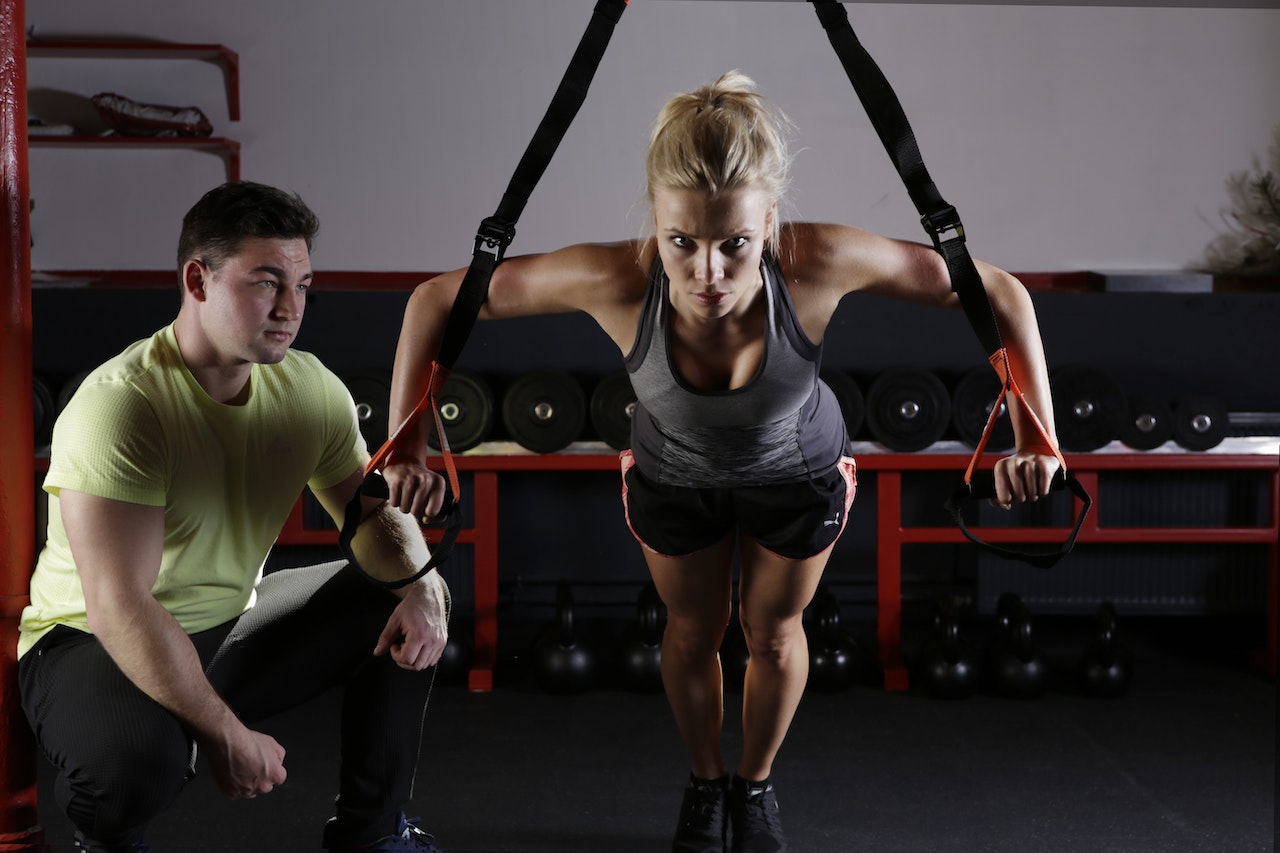
One of the main features of CrossTraining is the diversity of exercises and workouts. Each session is designed to offer a variety of exercises from different sporting disciplines. CrossTraining sessions are dynamic and stimulating, leaving little room for boredom or monotony. So you can expect combinations of exercises such as squats, pull-ups, burpees, deadlifts, jumps, runs and more. This diversity constantly challenges the body from different angles, working different muscle groups and stimulating coordination and proprioception.
Suitable for everyone:
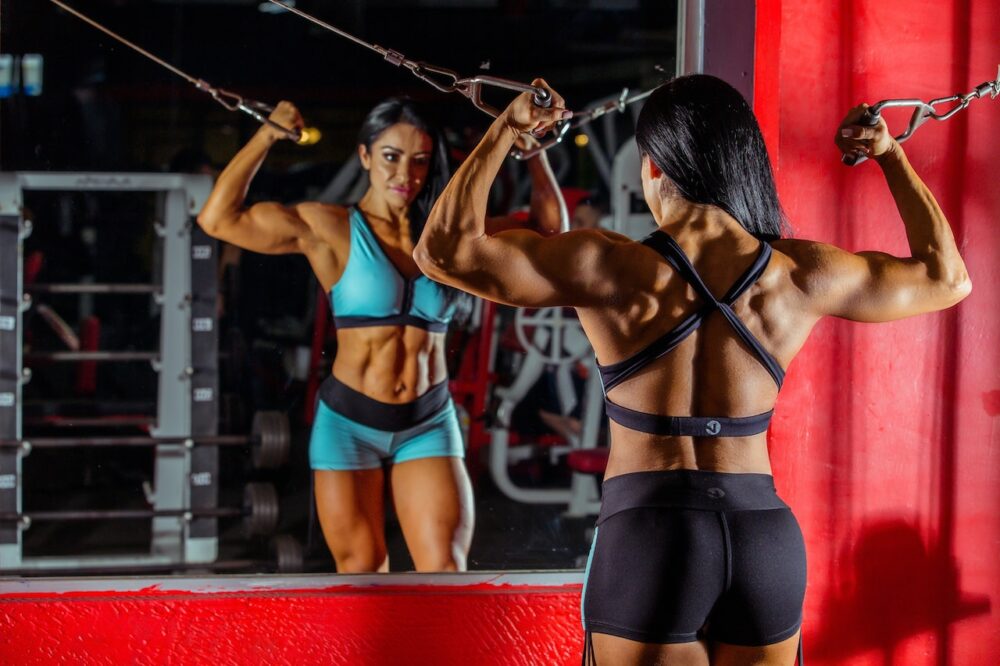
CrossTraining is a discipline that adapts to all profiles and fitness levels. Whether you’re an experienced athlete or a beginner looking to get fit, CrossTraining can be tailored to your individual abilities. Exercise variations, sequences, weights and rest times can be adjusted to suit your level. CrossTraining coaches are there to guide you and help you progress according to your goals and abilities, ensuring that you perform the movements safely and efficiently.
Being part of a community:
In addition to the physical benefits, CrossTraining also offers a highly rewarding social aspect. Although each training session is individual and pushes you to excel personally, CrossTraining also fosters a sense of community. By joining a CrossTraining group, you’ll become part of a dynamic and motivating community. You’ll be surrounded by people who share the same goals and aspirations, creating an environment of mutual help and support. You can share your successes, exchange tips and encourage each other to achieve your goals. This group dynamic creates a positive and stimulating emulation, which will help you stay motivated and persevere in your CrossTraining journey. Whether it’s in friendly competitions between group members or simply in daily training sessions, you’ll discover the strength and support that a united CrossTraining community can bring.
Training example
Here’s an example of a workout you can do at home with a kettlebell, specially adapted for beginners. This workout targets several muscle groups and will help you build strength and endurance progressively. We recommend following the exercise circuit 3 times, with 4 minutes recovery time between each circuit.
Squat overhead kettlebell
- Perform 20 squat repetitions, holding the kettlebell at chest level with both hands. Pushing through your heels, descend into a squat position, keeping your back straight, then return to a standing position, lifting the kettlebell above your head at the end of each squat.
Swing kettlebell
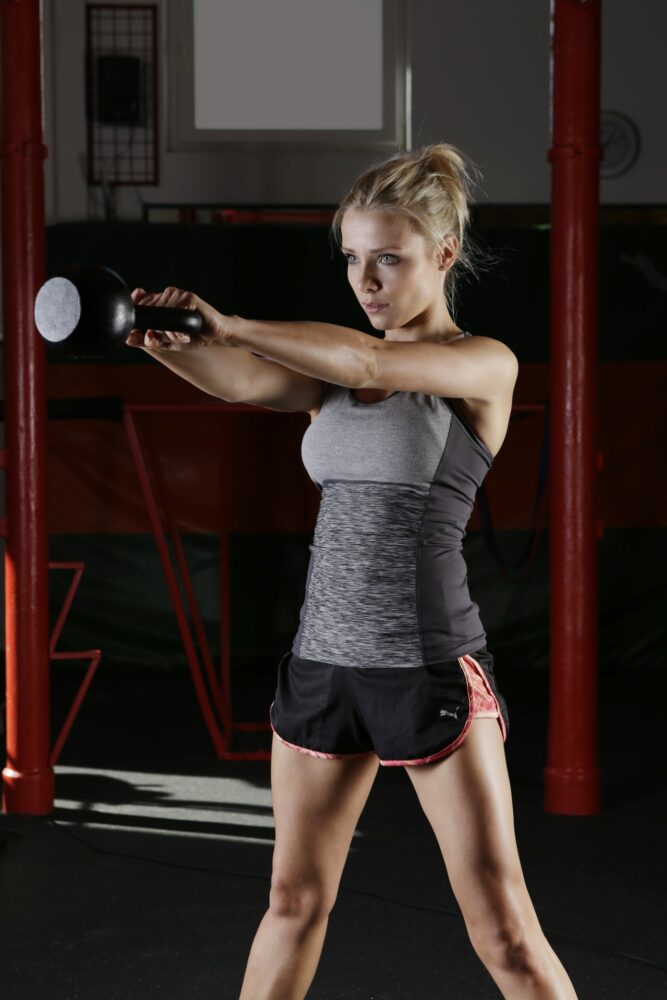
- Performs 30 repetitions of kettlebell swing. Hold the kettlebell in both hands with a firm grip and bend your knees slightly. Keeping your back straight, swing the kettlebell back and forth, using the force of your hips to generate movement. Maintain good posture throughout the exercise.
Clean and press kettlebell
- Perform 10 repetitions of clean and press kettlebell on each side. Start by holding the kettlebell one-handed in front of your body, palm facing you. Using a hip impulse, bring the kettlebell up to your shoulder, then push it over your head with full arm extension. Return to the starting position, controlling the movement.
Push-ups (on knees) with hands on kettlebell
- Perform 15 repetitions of knee push-ups with your hands on the kettlebell. Place your hands steadily on the kettlebell, arms shoulder-width apart. Slowly lower yourself to the ground by bending your arms, then push yourself upwards to return to the starting position.
Sumo kettlebell deadlift
- Perform 20 repetitions of the sumo deadlift with the kettlebell. Place the kettlebell between your legs, with your feet wider apart than shoulder-width apart and your toes turned slightly outwards. Keeping your back straight, bend your knees and grasp the kettlebell with a firm grip. Pull yourself up using the strength of your legs and hips, contracting your glutes at the end of the movement.
Don’t forget to warm up properly before you start, and adjust the weights and reps to suit your fitness level.