


- GladiatorFit Pro
Custom gym design: how to choose the right flooring for your gym?
In a sports hall, the floor plays a vital role not only in the aesthetics of the space, but also in safety, comfort and durability. Selecting the right flooring can transform the sporting experience, improve performance and prevent injury. How do you choose the right flooring for your gym? In this guide, you’ll find all the advice you need to create a functional, pleasant and durable gym that perfectly meets your requirements and those of your subscribers.
The importance of choosing the right floor covering
Choosing the right flooring is a strategic decision that has a direct impact on the safety, comfort and durability of your facility. It also helps you to offer your customers the best possible experience and ensure the long-term future of your gym.
Safety and injury prevention
Flooring plays an essential role in injury prevention. It offers good grip to prevent slips and falls, as well as effective shock absorption to reduce the risk of joint and muscle injuries. For example, a high-quality rubber floor can absorb the impact of heavy weights, protecting both users and the subfloor. It’s important to note that ensuring the safety of your customers helps build their trust and loyalty to your establishment.
Comfort and support
User comfort is also an important consideration when choosing a floor covering. A comfortable, supportive floor can improve sporting performance and reduce fatigue. Materials such as foam or vinyl are appreciated for their ability to provide better cushioning, making floor exercises more enjoyable. What’s more, the flooring reduces noise pollution, creating a more pleasant environment for all gym users.
Durability and strength
The durability of the flooring is another crucial factor to consider. In a sports hall, the floor is subjected to intensive use and must therefore be resistant to impact, abrasion and wear and tear. Materials such as rubber and vinyl are renowned for their durability and ease of maintenance. Opting for a durable coating reduces replacement and maintenance costs over the long term. This offers a better return on investment.
Types of flooring for gyms
There are various types of flooring on the market, ideal for gyms. The choice will depend on the activities practised, the durability required, the aesthetics sought and the budget available.
Sport rubber flooring
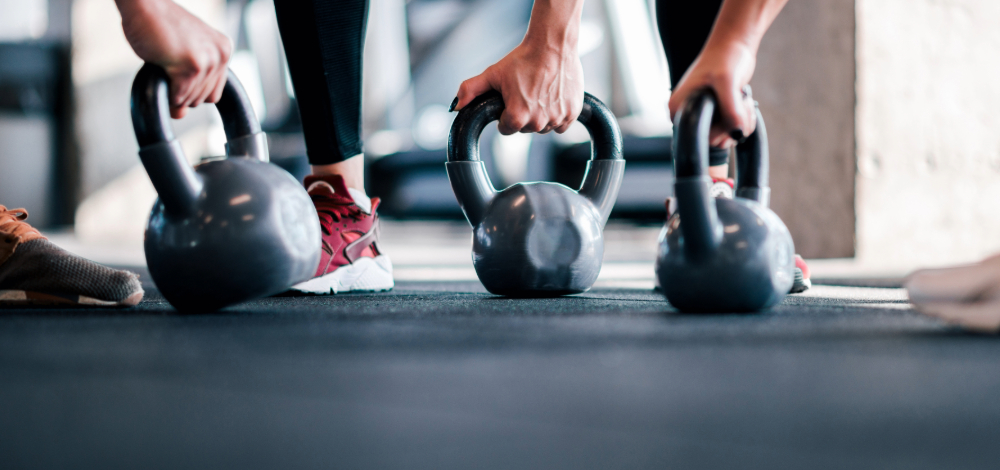
The rubber floor is one of the most popular choices for gyms. This material is extremely durable, able to withstand intensive use and repeated impacts, such as those from dumbbells. In addition to its robustness, rubber offers excellent shock absorption, reducing the risk of joint and muscle injuries for users. It’s also slip-resistant, which helps prevent slips and falls. Rubber is also easy to maintain. These features make it an ideal choice for weight-bearing areas.
Foam floor
The foam floor is the ideal solution for gyms where activities require extra cushioning. This type of flooring is often used in areas dedicated to floor exercises, yoga or martial arts. The foam provides excellent comfort and support, enabling users to perform floor movements with less stress on their joints. However, foam is less durable than other materials, and may not be suitable for areas where weights or high-intensity weight training equipment are used.
Vinyl flooring
Vinyl flooring is renowned for its versatility and aesthetic appeal. Available in a variety of designs and patterns, it lets you personalize the look of your gym while providing a functional surface. Vinyl is water-resistant, easy to clean and relatively durable. This makes it a wise choice for cardio zones, dance studios or general fitness areas. What’s more, it offers good impact resistance and better shock absorption.
Synthetic turf
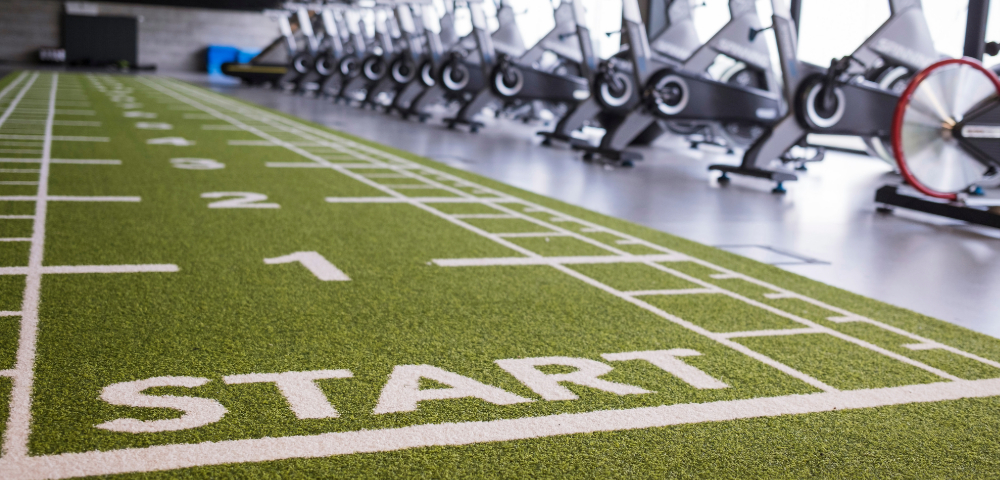
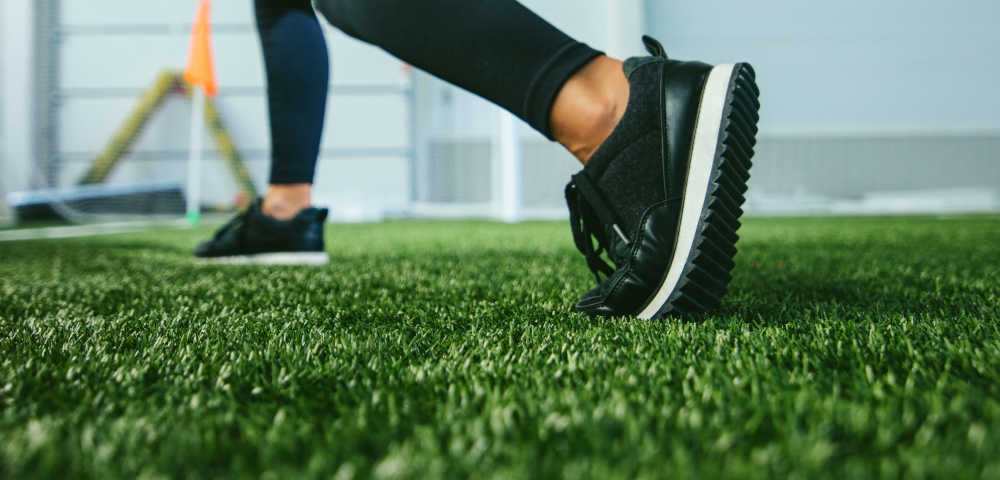
The artificial turf is increasingly used in gyms, especially for functional training areas and indoor sports fields. It provides a pleasant surface for a variety of exercises, such as sprints, jumps or strength training. Artificial turf is durable, hard-wearing and resistant to indoor climatic conditions. It requires little maintenance. It also provides a natural feel that can enhance the user experience, especially for specific sports training.
Flooring selection criteria
Here are the different criteria to consider when choosing your floor covering:
Type of activity
The type of activities performed in the gym is a determining factor in the choice of flooring.
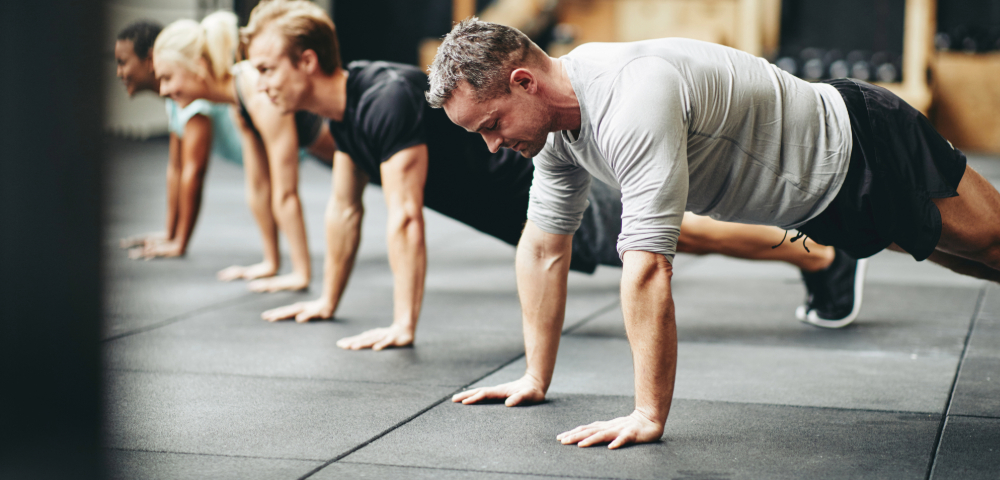
- Weight training and cardio training: Opt for a durable, impact-resistant and sound-absorbing floor covering, such as rubber or vinyl.
- Yoga and Pilates: Choose comfortable, soft, non-slip flooring such as foam or artificial turf.
- Aerobics and dance classes: Choose a floor covering with a smooth, non-slip surface, such as vinyl or hardwood.
Budget and installation costs
Budget is a crucial consideration when choosing flooring. Prices vary considerably depending on the type of material, thickness, brand and complexity of the installation. Compare prices from different suppliers and take into account installation, underlay and finishing costs.
Easy maintenance
Choosing a floor covering that’s easy to maintain will save you time and money in the long run. Rubber and vinyl are renowned for their ease of maintenance. Regular cleaning is all it takes to keep them in good condition. Artificial turf, although requiring specific maintenance, is also easy to maintain. Foam flooring, on the other hand, can be more susceptible to stains and wear, requiring more frequent care.
Aesthetics and design
The aesthetics of your gym play an important role in your customers’ experience. Choose a floor covering whose color, pattern and style harmonize with the mood and decor of your space. Take into account lighting, wall color and other design elements to create a coherent, welcoming atmosphere.
Personalized design of your gym
The personalized design of your gym can set your establishment apart and offer your customers a unique experience. A personalized approach not only meets users’ specific needs, but also creates a motivating and aesthetically pleasing environment. Here are the points to consider for a custom design.
Adapting to specific needs
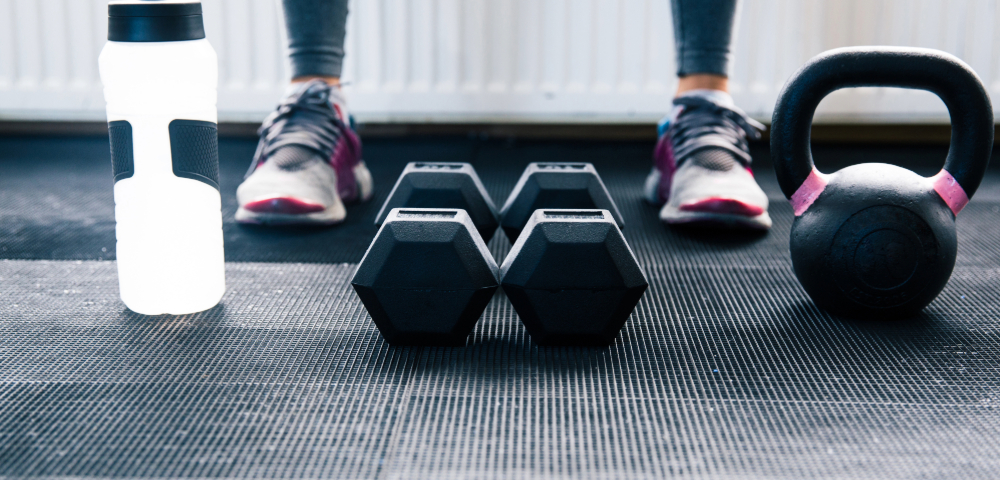
First, you need to identify your customers’ specific needs. What types of exercise and activities do they do most? For example, if your clientele consists mainly of bodybuilding enthusiasts, it’s essential to integrate specific zones with appropriate equipment and shock-absorbing rubber flooring. For a yoga or martial arts audience, areas with foam floors are required. Understanding your customers’ needs will enable you to create dedicated zones that maximize their comfort and safety.
Choice of colors and patterns
The choice of colors and patterns plays a crucial role in the aesthetic appearance of your gym. Colors can influence the mood and motivation of users. For example, bright colors like red and orange can energize and stimulate physical activity, while softer hues like blue and green can create a calming ambience for relaxation and yoga zones. Patterns and designs must be in harmony with your establishment’s brand image. Using modern, dynamic patterns can reinforce your gym’s visual identity and make the space more attractive.
Integration of design elements
Integrating design elements is an essential step in creating a coherent, functional environment. This includes not only the choice of equipment and floor coverings, but also the layout of the space. Each piece of equipment must be strategically placed to ensure smooth circulation and optimum use of available space. For example, cardio, weight training and stretching zones must be clearly delineated and easy to access. Lighting is also a key design element. It plays an important role in safety, but also creates a dynamic and motivating atmosphere. In gyms, mirrors can give the impression of space and allow users to check their posture during exercise.
Personalized design of your gym
Keeping your flooring in top condition is crucial to the durability and safety of your gym. Here are a few tips for the care and maintenance of each type of floor.
Regular cleaning
Regular cleaning is essential to preserve the appearance and functionality of floors. For rubber floors, sweep and vacuum daily to remove dust and debris. Use a mild cleaning solution and lukewarm water for more stubborn stains. Avoid aggressive chemicals that could damage the material. For foam floors, cleaning with a damp cloth may suffice. Vinyl floors need to be cleaned with a damp cloth and specific products to avoid scratches and maintain their shine. Artificial turf should be brushed regularly to remove debris and straighten strands.
Routine repairs and replacements
Regularly check floors for signs of wear or damage. Rubber floors can develop cracks or tears, especially in high-traffic areas. Foam floors, although fairly durable, can wear out or compress over time and need to be replaced when they lose their cushioning. Vinyl floors can show signs of wear, such as scratches or discoloration, requiring occasional replacement to maintain their aesthetic appearance. Artificial turf may require repairs to seams or damaged areas to maintain a uniform surface.
Damage prevention
Use protective mats under heavy equipment to avoid direct impact on the floor. For foam and vinyl floors, encourage users to wear appropriate footwear to avoid marks and tears. Artificial turf must be protected from sharp objects and excessive weights that could damage the fibers.


