


- Nutrition
Plant or animal protein? Which is the best
Proteins are formed from amino acids, a category of essential nutrients that the body is unable to store. That’s why it’s essential to incorporate them into your power supply daily. However, not all proteins are created equal. They play a vital role in nutrition, helping to build, repair and maintain body structures, especially muscles. These nutrients are found in both plant sources and animal products, although there are some distinctions in terms of benefits and disadvantages. Which is the best? The answer in this article.
Protein basics: roles and importance
Proteins are macromolecules essential to life, playing a fundamental role in cellular and bodily functioning. They are made up of amino acidswhich are the basic elements required for protein synthesis. Proteins perform a multitude of vital functions, ranging from construction and repair of body tissues the regulation of enzymatic processesprocesses transport of substances in the blood and the transmission of signals between cells.
Their structural diversity enables them to perform specific tasks, such as :
- production of antibodies to strengthen the immune system
- the formation of enzymes to catalyze chemical reactions
- the creation of hormones to regulate various bodily functions.
Protein requirements for a balanced diet
The right amount of protein in a diet is crucial to maintaining optimal health. Protein requirements vary according to age, level of physical activity and other individual factors. Adequate protein intake is particularly important during periods of growth such as childhood, as well as during pregnancy and breastfeeding.
Protein-rich food sources include :
- lean meat
- poultry
- the fish
- eggs
- dairy products
- legumes
- nuts
- seeds
It’s advisable to choose a variety of protein sources to ensure a supply of the essential amino acids needed to synthesize new proteins in the body. A balanced diet not only guarantees the right amount of proteinbut also the diversity needed to support all essential biological functions.
What are animal proteins?
Animal proteins are essential nutrients found in animal products. They are distinguished by their amino acid composition and the important roles they play in maintaining health and body function. These proteins are found in a variety of animal foods, including meat, poultry, fish, dairy products and eggs. They provide a rich and diverse source of amino acids, contributing to tissue construction and repair, immune system support and many other vital processes.
Animal protein sources and their benefits
Animal protein sources offer a range of benefits for human health.
- Lean meats, such as chicken and turkey, are rich in high-quality protein and relatively low in fat.
- Oily fish, such as salmon and tuna, provide not only protein but also omega-3 fatty acids, which are beneficial for heart and brain health. heart and brain health.
- Dairy products, such as milk, yoghurt and cheese, also provide protein, as well as calcium and other nutrients important for bone health.
- Eggs are an excellent source of complete protein, containing all the essential amino acids needed by the body.
Animal protein digestibility and its impact on assimilation
Animal proteins are often praised for their high digestibility, meaning they are easily broken down and absorbed by the body. This high digestibility enables amino acids to be used more efficiently for protein synthesis and tissue repair. This can be particularly beneficial for individuals with increased protein requirements, such as athletes in the recovery or muscle-building phase.
However, it’s important to note that some sources of animal protein can also contain significant amounts of saturated fat and cholesterol, underlining the importance of making informed choices as part of a healthy diet. diet balanced diet.
Ethical and environmental considerations of animal proteins
Increased consumption of animal proteins has given rise to ethical and environmental concerns. Due to the use of resources such as water and agricultural land, intensive livestock farming for the production of meat and other animal products can have adverse effects on animal health and environmental sustainability.
As a result, more and more people are opting for plant-based diets or choosing animal protein sources from more sustainable and ethical sources. These considerations underline the need for a balance between the nutritional benefits of animal proteins and their potential ethical and environmental impacts.
Plant proteins: benefits and considerations
Plant proteins are proving to be a nutritious and environmentally friendly alternative to animal proteins, generating growing interest in their role in a alimentation balanced. However, understanding the sources, digestibility and nutritional aspects associated with these proteins is essential to reap their full benefits.
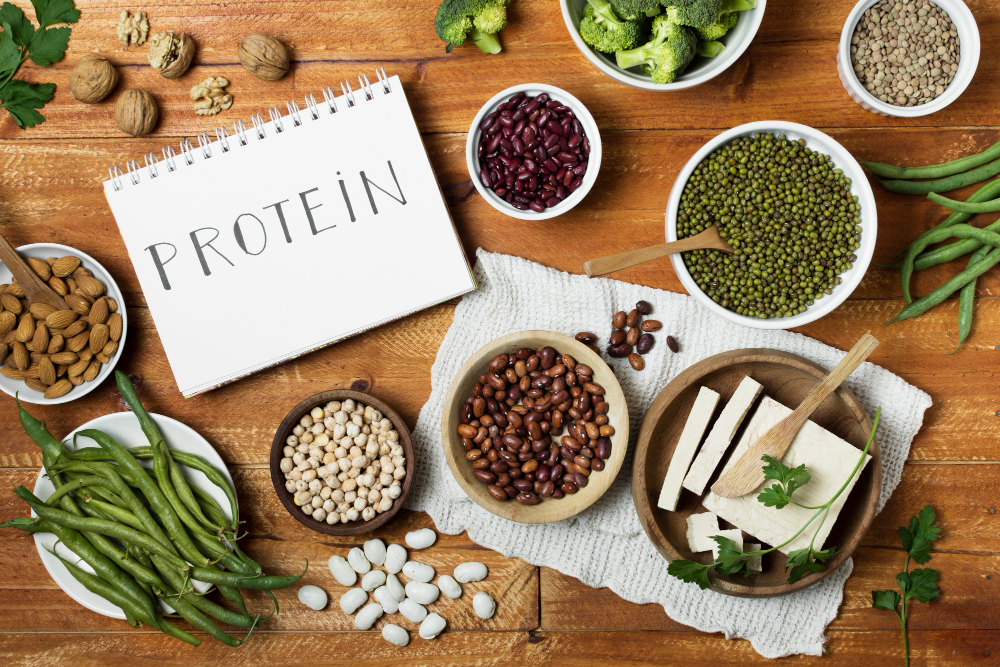
Vegetable protein sources and their benefits
Sources of plant proteins abound in the plant kingdom, offering a wide range of options for individuals seeking to incorporate more plant-based ingredients into their diet. diet.
- Legumes such as lentils, beans and chickpeas are rich in protein, fibre and essential nutrients. rich in protein, fiber and essential nutrients.
- Cereals such as quinoa, oats and brown rice also contribute to protein intake, while providing complex carbohydrates.
- Nuts, seeds and soy products such as tofu and tempeh are other excellent sources of plant protein.
These foods provide not only protein, but also fibre, vitamins and vitamins and minerals.
Plant protein digestibility and its impact on assimilation
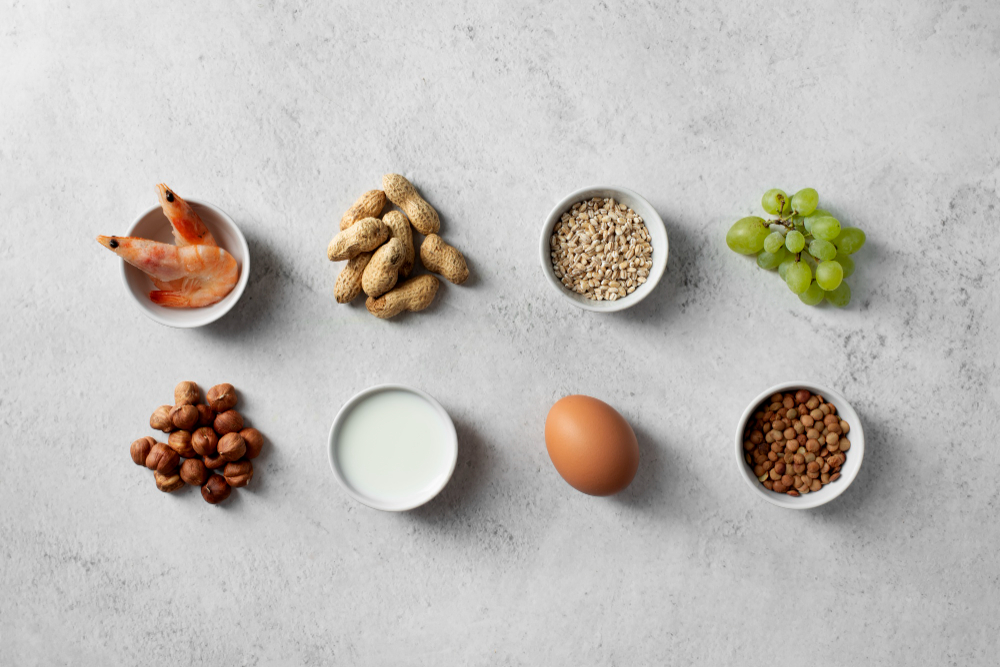
The digestibility of plant proteins can vary depending on the food source. Some plants contain anti-nutritional compounds such as enzyme inhibitors and phytates, which can interfere with the absorption of nutrients, including proteins.
However, cooking, dipping and fermenting can help reduce these compounds, improving the digestibility of plant proteins. It is important to diversify plant protein sources to maximize their absorption.
Nutritional considerations for plant proteins (essential amino acids, complementary sources)
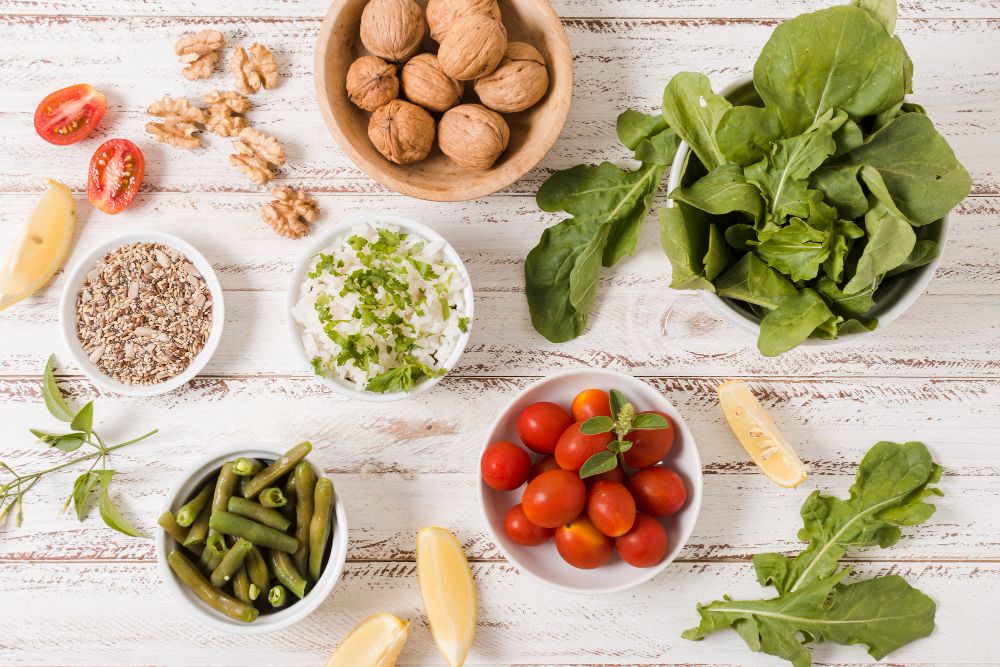
Plant proteins can be deficient in certain essential amino acids, which raises the question of the complementarity of sources. However, by judiciously combining different plant foods, it is possible to create meals that provide a full spectrum of amino acids.
For example, the combination of legumes with cereals creates a balanced and complete amino acid profile. This well-thought-out approach meets nutritional protein requirements while optimizing health and vitality as part of a balanced diet. diet mainly plant-based.
How to choose between animal and vegetable proteins?
Choosing between animal and plant proteins involves careful consideration of various factors to align yourself with a diet that meets your needs and beliefs. Proteins from animal and plant sources each bring their own advantages, and it’s important to take several factors into account to make an informed decision.
There are several factors to consider: your nutritional goals, your ethical preferences and any dietary restrictions you may have. any dietary restrictions you may have
When making this choice, it is essential to consider your personal nutritional objectives.
- If you’re looking for a concentrated source of complete amino acidsanimal proteins can be an effective choice.
- If your ethical or environmental concerns are driving you towards a plant-based diet, plant proteins are a sustainable alternative.
- Your dietary restrictionssuch as allergies, intolerances or special diets, must also be taken into account to ensure a suitable diet.
General recommendations for a balanced protein diet
Whichever protein source you choose, general recommendations for a healthy diet protein balance apply. Prioritize a variety of foods to obtain a wide range of amino acids and nutrients.
- If you opt for animal proteins, choose lean cuts and low-fat dairy products to minimize excessive intake of saturated fats and cholesterol.
- If plant proteins are your preference, make sure you combine different sources to get all the essential amino acids.
Ultimately, the choice between animal and plant proteins depends on your lifestyle, your values and your individual nutritional needs, and can be adjusted according to these factors.
Read also: HIIT program
Discover a selection of GladiatorFit products suitable for these exercises
GladiatorFit offers you a whole range of products to help you perform these exercises. Below is a list of articles we recommend to help you carry out your session as efficiently as possible.


