


- Sports tips
Summer hiking essentials
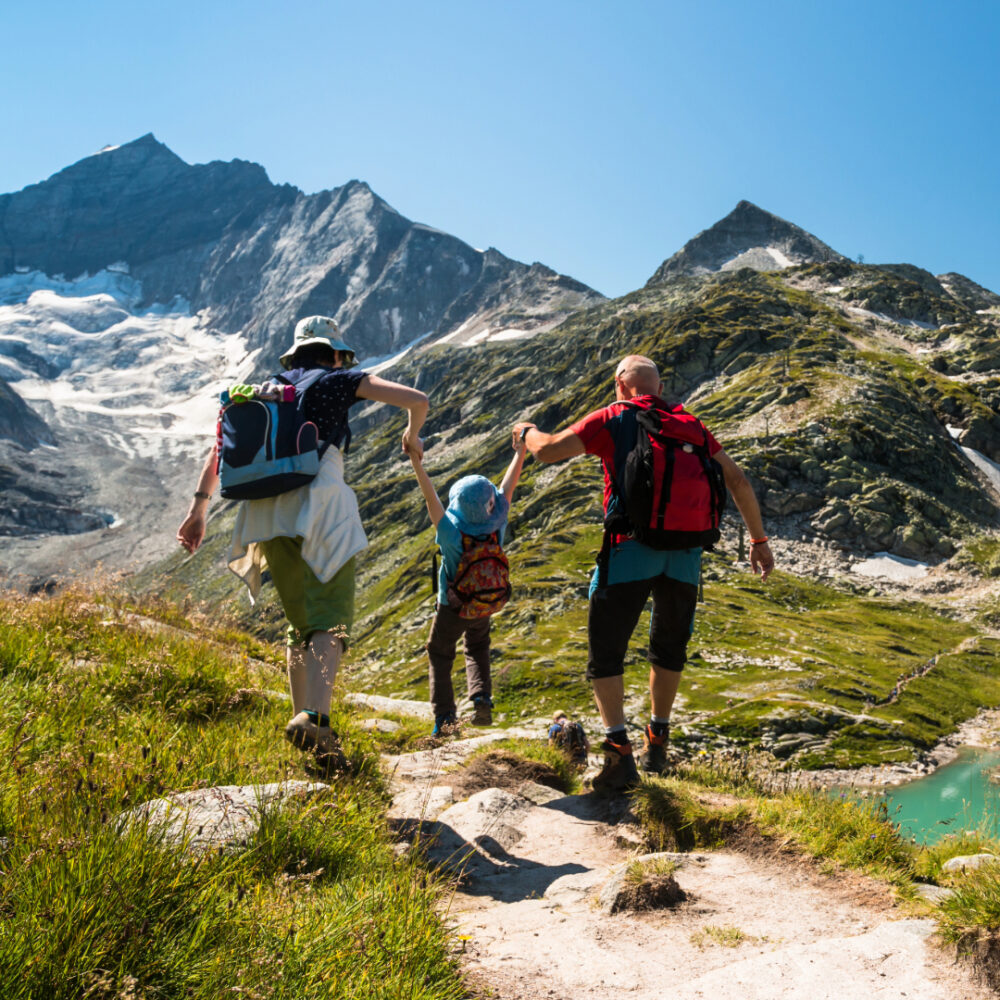
Hiking is a summer activity that combines physical exercise and immersion in nature. However, to make the most of this experience, it’s crucial to be well prepared.
In this guide, you’ll find all the essentials you need to take with you on your summer hikes. You’ll find plenty of practical advice to keep you well-equipped throughout your adventure.
Table of Contents
Why proper preparation is essential for a successful hike
Good preparation is the key to a successful hike. Not only does it maximize your comfort and safety, it also helps you prevent incidents and unforeseen events. A well-prepared hike can turn a simple stroll into an unforgettable experience, allowing you to concentrate on the beauty of nature rather than material concerns.
Without proper preparation, you run the risk of various problems, such as injuries due to falls, blisters caused by poor footwear, or heatstroke due to insufficient hydration. By taking the time to properly prepare your equipment and familiarize yourself with the requirements of your hike, you minimize these risks and optimize your chances of success.
The right clothes for summer hiking
When hiking, it’s important to choose the right clothing. They play a crucial role in your comfort and performance. Here are a few tips to help you select the right clothes.
Choose lightweight, breathable clothing
In summer, temperatures can rise quickly, especially when you’re on the move. Opt for lightweight, breathable clothing that easily regulates body temperature. Synthetic fabrics such as polyester and nylon are preferred. They wick away perspiration and dry quickly. Avoid cotton clothing, which retains moisture and can cause unpleasant rubbing.
The importance of hiking boots
Choose hiking boots that offer good support, adequate protection and a solid grip on different types of terrain. Choose models that are light and breathable, but sturdy enough to protect your feet from stones and roots. Make sure your shoes fit properly and have been broken in before the hike to avoid blisters.
Essential clothing accessories
A hat or cap is essential to protect you from the sun, while sunglasses protect your eyes from UV rays. A pair of socks quality hiking boots, designed to wick away moisture and prevent blisters, are also essential. Finally, don’t forget a light, waterproof jacket to protect you from the elements.
Essential equipment for safety and comfort
The ideal backpack for summer hiking
Your backpack should be large enough to hold all your equipment without being too bulky. A 20 to 30-liter backpack is generally sufficient for a day hike. Make sure it fits snugly, with padded shoulder straps and a hip belt to distribute weight evenly. Choose a model with multiple compartments and side pockets for easy access to your belongings.
Safety equipment not to forget
Don’t forget to pack a first-aid kit in your bag. It should contain dressings, antiseptics, bandages and basic medicines. A map and a compassor a hiking GPS, are essential to help you find your way, especially if you’re in an unmarked area. A headlamp with spare batteries will come in handy if you plan to walk after dark. Finally, a survival whistle can be crucial for signalling your presence in an emergency.
Items for personal comfort and hygiene
Wet wipes can be very useful to refresh you. Don’t hesitate to take along a small bottle of disinfectant gel to clean your hands. Lip balm with sun protection and sun cream are also essential to protect your skin. Finally, a small plastic bag to take your garbage away in keeps the place clean.
Practical tools and accessories for a successful hike
Orientation and navigation essentials
To avoid getting lost, it’s crucial to have reliable navigation tools. In addition to a map and compass, you can use a navigation app on your smartphone. Make sure you have an external battery to recharge your device when you need it. An altimeter can also be useful for tracking your altitude and better understanding the terrain.
Feeding and hydration accessories
Maintaining your energy levels and staying hydrated is essential. Take a gourd or a water pouch to stay hydrated during your outdoor adventure. For long hikes, a portable water filtration system can be used to refill your water bottle along the way. When it comes to food, opt for light, nutritious snacks such as energy barsenergy dried fruit and nuts. If you’re hiking all day, take a light, well-balanced meal with you.
Practical gadgets and tools to keep handy
A multi-purpose knife is a versatile tool for many situations, from meal preparation to emergency repairs. A hiking pole can help you keep your balance and reduce fatigue on uneven terrain. A survival blanket is light and compact, but can be vital in the event of a sudden drop in temperature. Finally, a pair of binoculars will enable you to observe the flora and fauna without disturbing the environment.
Tips for adapting your hiking gear to your needs and the length of your trip
Every hike is unique, and it’s important to adapt your equipment to your specific needs and the length of your trip.
Adapt your equipment to the length of your hike
For a day hike, you won’t need to pack camping gear. However, if you’re planning to spend the night in the wilderness, you’ll need to pack a lightweight tent, a sleeping bag appropriate to the season and a ground mattress for added comfort. Also remember to pack enough food for each day’s hike, and plan meals that are easy to prepare.
Take weather conditions into account
Weather can change rapidly in the mountains, so it’s important to be prepared for different conditions. Check the weather forecast before setting off and adapt your equipment accordingly. Take along a waterproof jacket if rain is forecast, and don’t forget an extra layer to protect you from the cold at altitude. In hot weather, make sure you have enough water and sun protection products.
Adjust your equipment to the terrain and type of hiking
well-maintained trails, light hiking boots are sufficient, but for more rugged terrain, opt for hiking boots with good ankle support and a sturdy sole. If you plan to cross rivers or walk in wet areas, waterproof socks may be essential. Finally, when hiking in the high mountains, remember to bring mountaineering equipment if necessary.
Discover a selection of GladiatorFit products suitable for these exercises
GladiatorFit offers you a whole range of products to help you perform these exercises. Below is a list of articles we recommend to help you carry out your session as efficiently as possible.


