
- Sports tips
What is the deadlift?
It is often considered one of the most reliable strength tests and athletic performance measures, as it requires both great strength and good technique to be performed correctly. In this article, we’ll explore the different aspects of the deadlift, its benefits, the muscle groups involved, its execution and how to incorporate it effectively into your training program.
Why practice deadlifting?
The deadlift is an essential exercise to include in any training program, whether you’re an athlete, a fitness enthusiast or simply looking to improve your physical condition.
1. Improves day-to-day functionality:
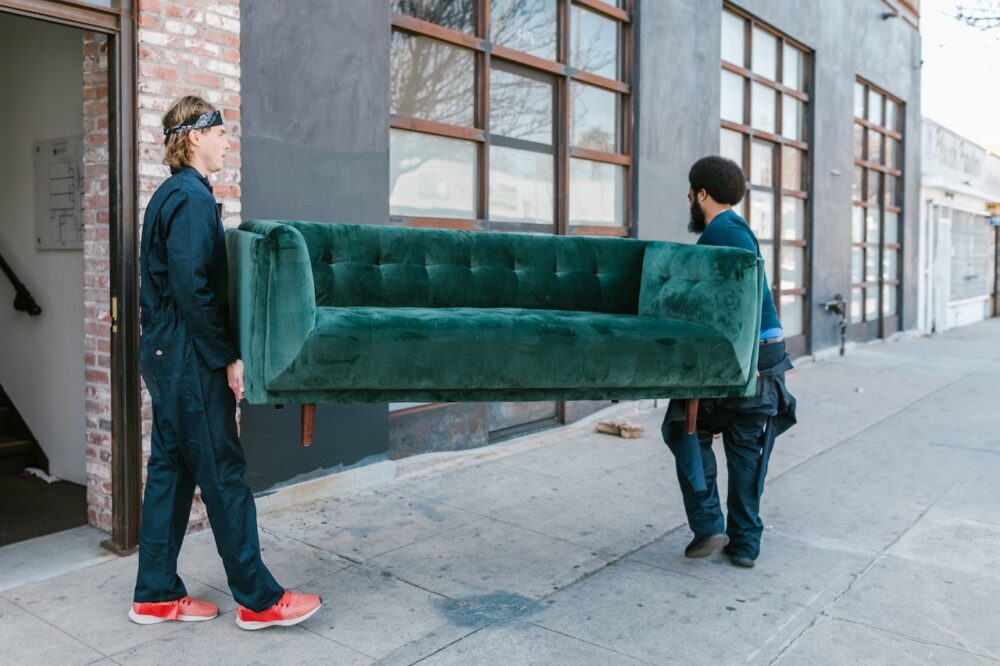
The deadlift is a functional movement that simulates everyday actions, such as lifting heavy objects off the ground. By practicing this exercise regularly, you strengthen the muscles and specific movements you need to perform these daily tasks more efficiently. This translates into better functionality in your daily activities, such as carrying groceries, moving furniture or carrying your children.
2. Strengthens joints:
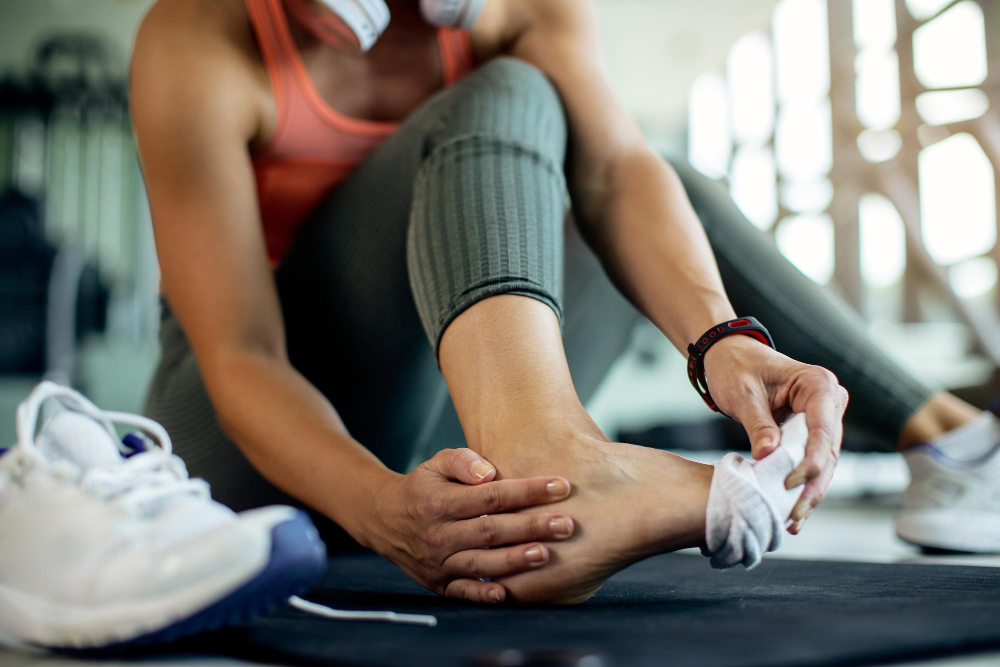
The deadlift involves the hip, knee and ankle joints in a safe and functional manner. This helps to strengthen joint structures, improve stability and prevent long-term joint injuries.
3. Prevents injury:
By strengthening the muscles of the lower back, glutes, hamstrings and quadriceps, the deadlift helps prevent common injuries such as low back pain and joint injuries. By developing balanced muscles and functional strength, you create a solid foundation for your body, which reduces the risk of injury during physical activities or sudden movements.
The deadlift: for which muscle groups?
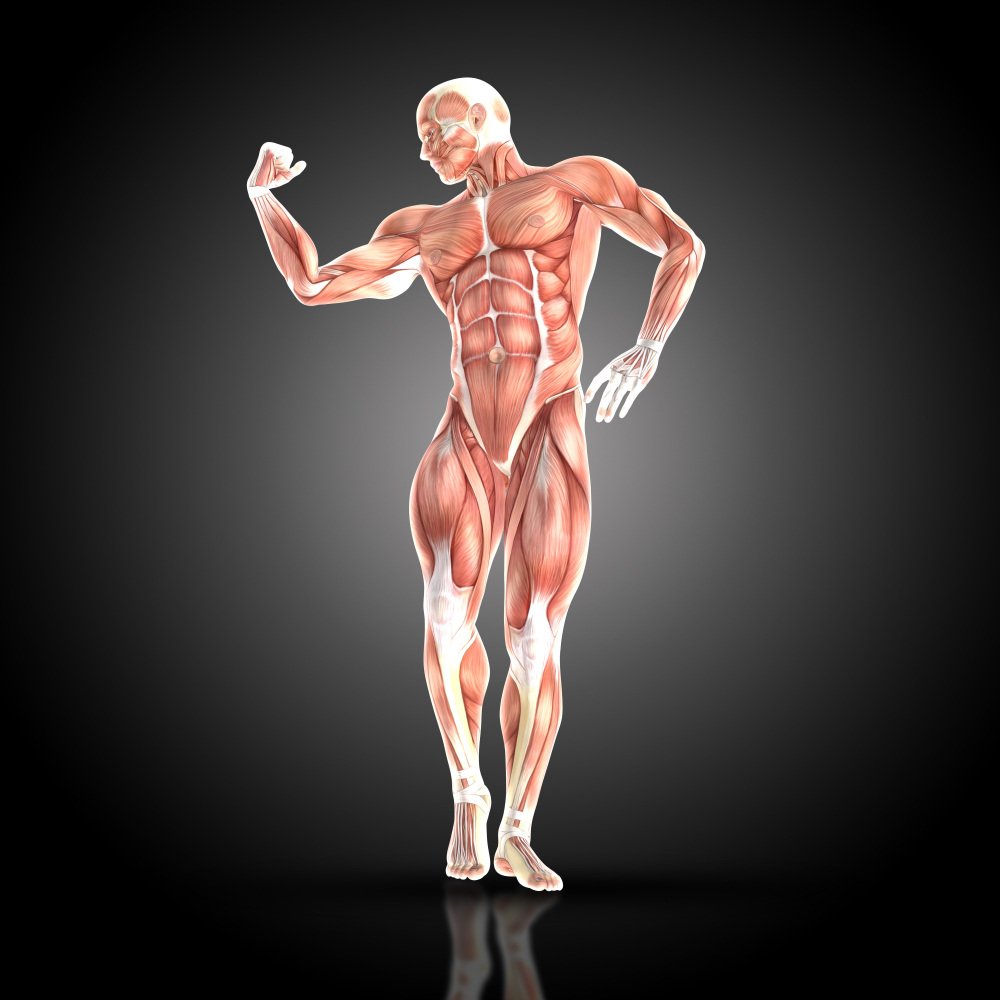
The deadlift is one of the few bodybuilding exercises that can stimulate virtually every muscle in the human body. It’s a polyarticular exercise that helps develop the thighs, glutes and muscles of the whole back, but not only.
Find below the most important muscles involved in the deadlift.
- Main muscles involved :
Spinal erector muscles: this muscle group is activated when you stand up.
- Gluteus maximus : stretch your hips when you stand up and work against resistance.
- Quadriceps femoris muscle; responsible for leg extension and helps shift weight upwards.
- Secondary muscles involved :
- Trapezius muscle; stabilizes the scapula and enables you to raise, lower or pull your shoulders back.
- Hamstring muscles: stabilize the knee joint and help extend the hip.
- Latissimus dorsi muscle allows you to lift your trunk when sitting
- Abdominal muscles : help stabilize you during movement.
- Rhomboid muscle: this muscle stabilizes the shoulder joint and enables the shoulder to be raised.
- Forearm muscles: the strength of your grip comes from the muscles in your hand and forearm, helping you to hold the bar firmly.
How to perform the deadlift correctly
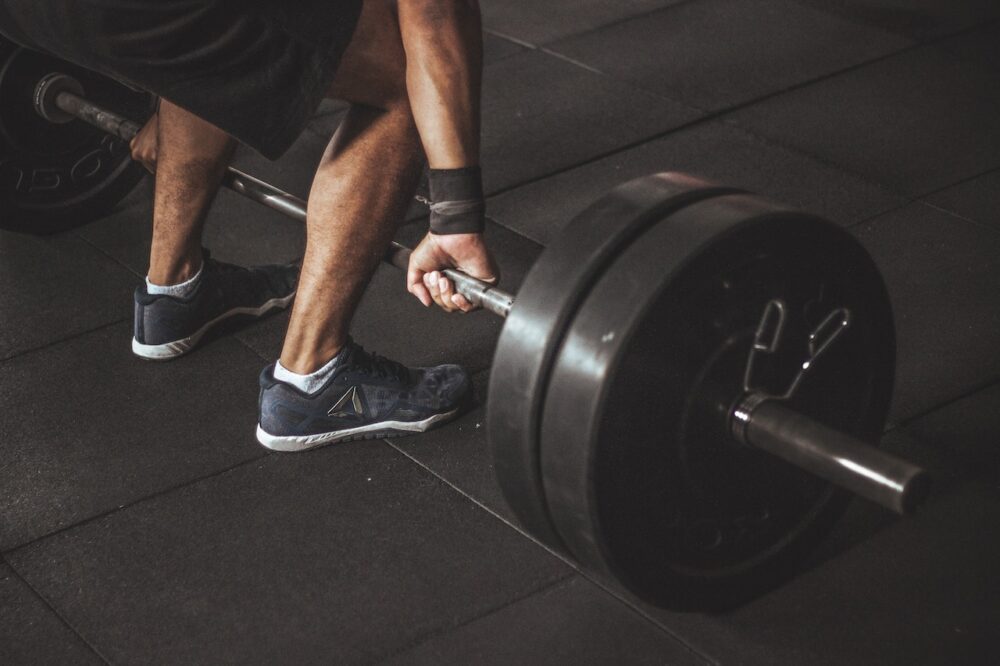
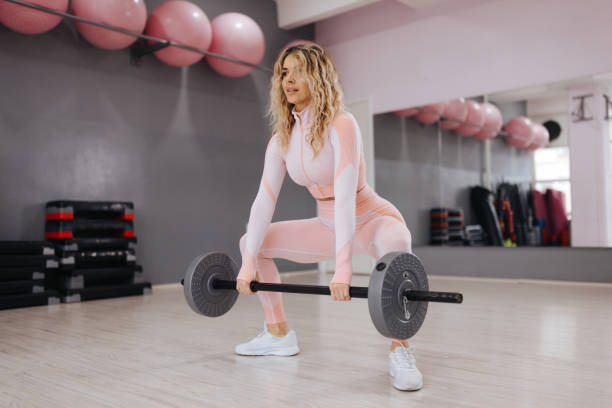
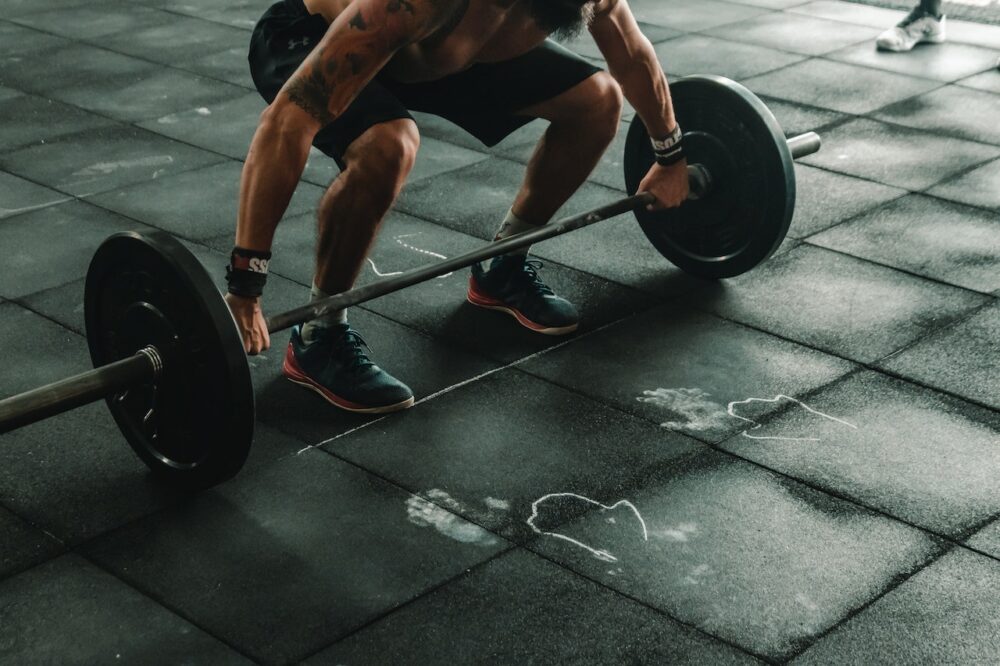
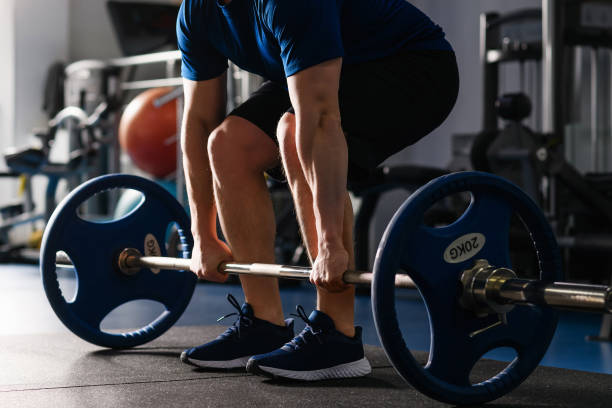
- Place your feet shoulder-width apart and the bar facing you at shin level.
- Grab the bar with both handsGrip the bar with both hands, pronated or one hand pronated and the other supinated, on the outside of the knees.
- Bend your knees to lock the lumbar muscles and keep the back perfectly straight.
- Contract your abdominal muscles and, keeping your gaze forward, raise your torso using the synchronized strength of your legs and back.
- Once upright, without digging into the back, slowly lower yourself to the initial position.
- Be careful not to kick-start. The effort must be progressive and constant during both the ascent and descent to execute this movement correctly and avoid injury..
Additional tips for safe deadlifting
- Warm-up before training, then gradually increase the load to avoid the risk of injury.
- Pay close attention to your back during the movement; don’t arch your back or uncoil it during the deadlift.
- It’s important to keep the bar close to the body during the movement; to do this, concentrate on contracting the large dorsal muscles so that the bar moves in a linear fashion.
- A good grip is essential for deadlifting. To prevent the bar from slipping out of your hands during the exercise, you can place your thumbs under your fingers.
- Make sure you wearappropriate shoes, i.e. flat-soled models. In an emergency, you can do the deadlift in sports socks. Concentrate also on pushing off with the whole foot, looking for three points of contact: the big toe, the little toe and the heel.
How to incorporate it effectively into your training program

- Training frequency :
To get the most out of the deadlift, make it a regular part of your training program. Frequency may vary according to your goals and fitness level, but generally, two to three sessions a week are recommended for significant results.
- Combine it with other exercises:
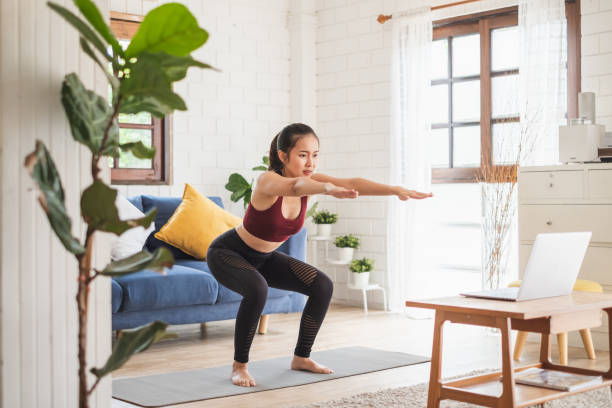
The deadlift can be integrated into many different types of workout. You can combine it with complementary exercises such as squats, lunges and core-strengthening exercises to create a complete lower-body workout. This allows you to work several muscle groups and improve intermuscular coordination.

- Respect rest periods:
Since the deadlift is an intense exercise, it's important to allow adequate rest periods between sets and workouts. This allows your body to recover and prepare for the next effort. The recommended rest period is generally 48 to 72 hours between deadlift sessions.