The importance of physical preparation for skiers
Physical preparation is essential for skiers to minimize the risk of injury and improve performance on the slopes. Skiing is a very demanding sport, involving the muscles, joints and ligaments of the whole body, especially the legs, knees and back. Proper physical preparation helps to strengthen muscles, improveendurance and flexibility, and prevent muscular pain and common injuries such as sprains, fractures and muscle tears. In addition, good physical preparation maximizes the duration and intensity of ski sessions, which can help improve technique and overall performance on the slopes. In the following section, we’ll discuss the risks of injury in the absence of physical preparation and the importance of physical preparation.
Risks of injury on skis
Statistics show that ski injuries are unfortunately commonplace. In Switzerland, around 2% of skiers are injured each year, or around 50,000 people. Knees, hands and wrists are the parts of the body most affected by ski injuries. That’s why proper physical preparation is essential to reduce the risk of injury and improve performance on the slopes.
The importance of physical preparation for skiers
To minimize the risk of injury when skiing, it’s important to prepare physically before the season. According to a study published in the journal Sports Medicine, skiers who followed a physical preparation program experienced a 37% reduction in ski-related injuries. Physical preparation exercises can help strengthen muscles, joints and ligaments, improve coordination andbalance, and increase flexibility and endurance. Good physical preparation also makes it easier to resist fatigue and prevent common injuries such as sprains, fractures and muscle tears. In the following section, you’ll find different types of physical preparation exercises for skiers.
Warm-up for skiers
The risks of poorly managed weight gain
The warm-up is an important part of physical preparation for skiers. It should be carried out before each ski session to prepare the body for the intense effort it will undergo. An effective warm-upincreases body temperature,optimizes blood circulation and prepares muscles and joints for physical exertion. It also helps reduce the risk of injury, particularly sprains and muscle ruptures. In this section, we’ll give you tips on how to perform an effective, ski-specific warm-up.
Specific warm-up for skiing
A specific warm-up for skiing should include movements that challenge the muscles used during this activity. We recommend jumps and squats to work the legs, rotational movements to challenge the hips and stretching to improve flexibility. It’s also important to take weather conditions into account and warm up accordingly.
Stretching to prevent injury
Stretching is essential to prevent skiing injuries. Pre-activity stretching, known as dynamic stretching, should be held for no more than 10-15 seconds and helps to increase muscle flexibility and improve joint mobility, thus reducing the risk of injury. Post-activity stretching, known as static stretching, which consists of maintaining a stretched position for a prolonged period, promotes muscle recovery and reduces post-exertion pain.
Warm up thoroughly before skiing
For a complete warm-up before skiing, here are some suggested exercises:
Strengthening muscles for skiers
Muscular strengthening is an essential step in enabling the body to better absorb shocks, achieve greater stability and reduce muscle fatigue during days on the slopes.
Key muscles for skiing
Here are the main muscles involved in skiing:
- Quadriceps The leg muscles: located at the front of the thigh, they enable the leg to be flexed and extended. They are therefore very much in demand during ski descents.
- Buttock muscles The gluteal muscles are the largest muscles in the human body. They help maintain pelvic and hip stability during descents.
- Abdominal and back muscles These muscles are used to maintain good posture while skiing and to absorb shocks.
Muscle-strengthening exercises for skiers
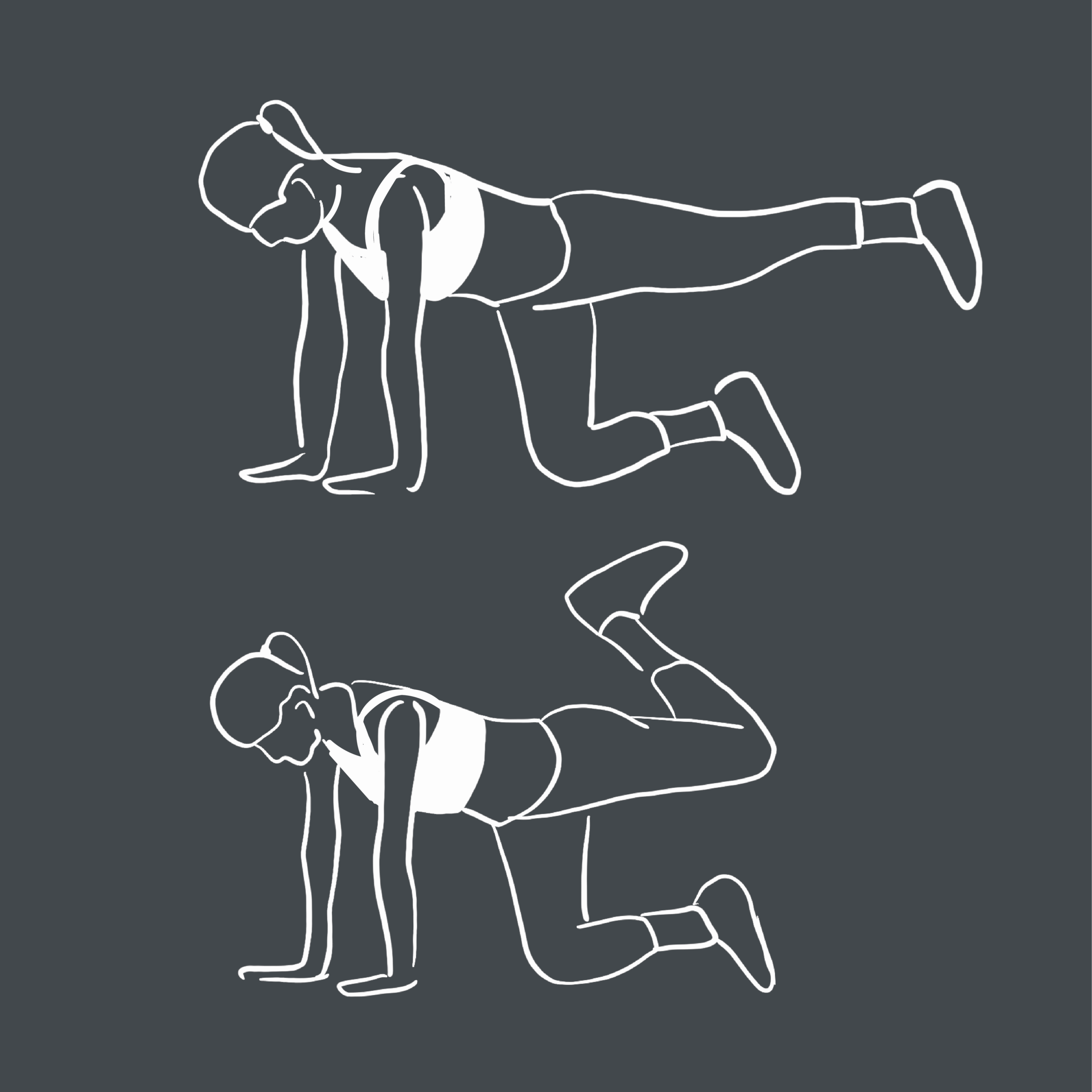
Here are a few key exercises to strengthen the muscles involved in skiing:
Recovery for skiers
After an intense day’s skiing, muscles need to recover to avoid injury and muscle fatigue. In this section, we’ll explain the importance of recovery for skiers and give you techniques for effective recovery.
The importance of recovery for skiers
There are several recovery techniques that can help skiers recover effectively. Here are some of the most common techniques:
By using these recovery techniques, skiers can improve muscle recovery and reduce the risk of injury.
In conclusion, skiing is a high-risk sport, but one that can be practised safely with the right physical preparation. To avoid injuries, it is essential to take the time to warm up properlyand strengthen key muscles and recover after each session skiing. By applying the physical preparation tips we’ve listed in this guide, you can make the most of your ski season while minimizing the risk of injury.