


Sports Chalk: How to Choose the Right One for Cross-Training
If you’ve ever had a bar slip out of your hands during a heavy deadlift or slipped off a pull-up bar right in the middle of your workout, you know the frustration of a failing grip. Sports chalk is the ultimate solution to this universal problem. Whether you’re a gym-goer in Switzerland, a weightlifting enthusiast, or a seasoned gymnast, optimizing your grip is essential for making progress safely. Unlike many accessories that can sometimes be little more than gimmicks, this famous white powder is a true performance essential.
However, given the diverse range of formats available on the market, it’s not always easy to know which one to choose. Should you go with a liquid formula, a traditional powder, or a compact formula? At GladiatorFit.ch, we know that every sport has its own specific requirements. This expert guide is designed to educate you on the various options available, so you can choose the perfect gear for your workouts and never let sweat dictate your limits again.
What is sports chalk, and why use it?
The composition of the famous white powder
Often mistakenly confused with blackboard chalk (which is calcium carbonate), the magnesium used by athletes is actually magnesium carbonate (chemical formula MgCO₃). This solid, white mineral compound has exceptional hydrophobic and absorbent properties. In sports, it acts as an extremely powerful moisture-absorbing agent.
Magnesium carbonate doesn’t just absorb water; it also absorbs the lipids and sebum secreted by the skin. It’s this dual action that leaves the surface of your palms perfectly matte and dry, creating the ideal conditions for maximum friction between your skin and your training equipment—whether it’s a steel bar, wooden rings, or kettlebells.
The Benefits of Magnesium for Your Workouts
The human body responds to physical exertion by sweating, a natural mechanism for regulating body temperature. Unfortunately, this sweat turns your hands into veritable ice rinks. Using chalk offers major benefits that go far beyond mere comfort:
- Dramatic improvement in grip: By eliminating the layer of moisture between your skin and the bar, friction increases. You no longer need to overcompensate by gripping the bar too tightly, which delays fatigue in your forearms.
- Increased Safety: Losing your grip during a heavy weightlifting lift or a hanging swing can lead to serious falls. A good grip is your first line of defense.
- Preventing Skin Injuries: Contrary to popular belief, it’s not dry skin that tears, but moist skin that rubs and wrinkles under pressure. Keeping your hands dry significantly reduces the occurrence of blisters and painful tears (the infamous “steaks”).
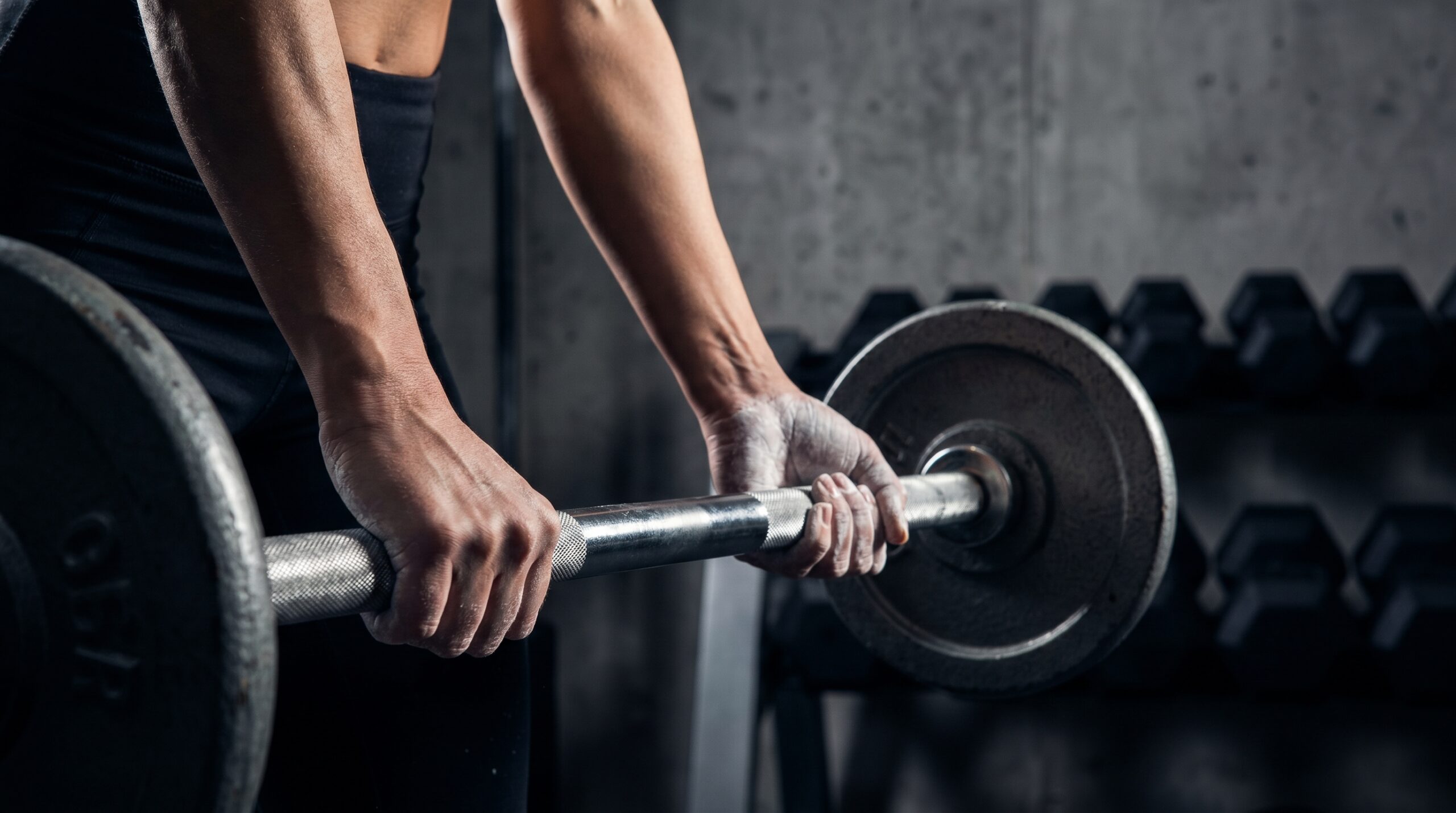
Powder, liquid, or block: Which chalk should you choose?
Now that you understand the importance of this product, it’s time to take a closer look at the different sizes. Each one has been designed to meet specific practical or environmental requirements.
Liquid Chalk: Clean and Effective
Liquid chalk is an innovation that has revolutionized modern gyms. It is a mixture of magnesium carbonate and alcohol (often ethanol or isopropanol), sometimes enriched with a thickening agent such as rosin. When applied, the alcohol evaporates within seconds, leaving a thin, even, and extremely adhesive layer of chalk on the hands.
Its main advantage? It isn’t powdery. Many gyms strictly prohibit powder because of the dust it creates in the air (which clogs ventilation systems and dirties the floors). The liquid version dries quickly, leaves almost no stains on clothes or equipment, and often provides longer-lasting hold. It’s a must-have to slip into your gym bag if you work out at a strict private gym.
Powdered magnesium oxide: the traditional choice
Powdered chalk is the original, traditional form. It is particularly popular for its ability to instantly and generously coat the hands. It’s easy to use: simply dip your hands into a bucket or bag of chalk, rub them together lightly, and shake off the excess.
Although it’s messier, it remains the purists’ favorite because it lets you reapply the product in a fraction of a second, without having to wait for it to dry. It’s perfect for stocking your personal bag or the shared chalk bag at your training gym.
Chalk blocks: economical and sustainable
A chalk block (or magnesium block) is simply compressed magnesium carbonate. This format is extremely economical and makes it much easier to carry. Instead of risking spilling a bag of powder in your bag, you carry a solid cube.
The advantage of the block is that you can “apply” it directly to your hands or calluses using the cube’s edges to target specific areas, or chip off small pieces as needed to get fresh powder. It’s the perfect balance between the convenience of a liquid and the raw feel of powder.
Which type of chalk should you buy based on your sport?
Your final choice on GladiatorFit.ch will depend heavily on your main sport. Here are our expert recommendations to help you choose the right gear.
Weight Training and Powerlifting
Inweightlifting and powerlifting, grip strength is the key to success. In exercises like the deadlift, snatch, or heavy pull, the bar must not budge a millimeter. In this context, liquid chalk is excellent as a base coat before a heavy set.
However, many powerlifters prefer the chalk block because they like to rub the cube vigorously against their palms to work the chalk into every crevice of their skin, or even apply it to their upper back to prevent the squat bar from slipping.
The ideal choice for cross-training
CrossFit is a sport where the transitions between exercises are timed (the famous WODs). You go from a weightlifting bar to a pull-up bar in a matter of seconds. You don’t have time to wait for a gel to dry, nor the luxury of stopping at every lap to reapply powder liberally.
The best strategy for CrossFit is to apply a small amount of liquid chalk right before the timer starts (3, 2, 1, Go!). This base will last a long time despite heavy sweating. If you need a top-up midway through a WOD, keep a crumbled piece of chalk in a bucket near your workout area: you can quickly tap your hands on it without losing precious seconds.
Gymnastics and Calisthenics
In gymnastics (uneven bars, rings, pommel horse), friction is constant and intense. Volatile powder, stored in a large container, is the absolute standard. Gymnasts apply large amounts of it—often in combination with gloves—to create a thick protective layer.
When it comes to street workout (outdoor calisthenics), conditions vary. Outdoor parks are exposed to the elements, and metal bars can be very smooth or slippery. Liquid chalk is often a street workout enthusiast’s best friend: it sticks firmly, doesn’t blow away in the wind, and fits easily in the pocket of a pair of shorts when traveling around the city.
How do you properly apply and clean your chalk?
Our Tips for Perfect Application
Having the right product is one thing; knowing how to use it is another. A common mistake among beginners is applying too much. Too much chalk ruins the chalk: paradoxically, a layer that’s too thick will act like a ball bearing and cause you to slip.
- For the liquid version: Wash and dry your hands before your workout. Apply a small amount (about the size of a coin) to the center of one palm. Rub your hands together to distribute the product evenly, including on your fingers. Keep your hands open and wave them around for 10 to 15 seconds until the layer turns completely white and dry.
- For powder and compact: Gently rub the compact or tap the powder. Clap your hands together (over the bucket) to remove any excess. Only a thin, matte layer should remain on your skin, especially on calluses and knuckles.
Hand and Equipment Care
Using chalk requires certain etiquette at the gym and a personal hygiene routine. Magnesium carbonate tends to get lodged in the knurling (the small ridges) of Olympic bars. After your workout, it’s essential to brush the bar with a stiff-bristled brush (often a nylon or brass brush) to remove any residue. A dirty bar loses its natural grip and rusts more quickly because the chalk traps sweat.
On a personal note, chalk really dries out your skin. As soon as your workout is over, head to the locker room to wash your hands with warm water and soap. Once your hands are clean and dry, it’s crucial to apply a moisturizer or a restorative balm designed for athletes. This helps your skin retain its elasticity, preventing cracks and injuries during your next session.
Frequently asked questions (FAQ)
What is magnesium oxide?
Sports chalk is a mineral compound called magnesium carbonate. It comes in powder, compact block, or liquid form. It is used by athletes to absorb sweat and moisture from their hands, thereby significantly improving their grip on training equipment.
Why use chalk?
Chalk should be used to prevent your hands from slipping due to sweat when lifting heavy weights or performing suspension exercises. It provides a secure grip, reduces forearm fatigue, and minimizes friction that can cause blisters or skin abrasions.
What's the name of the white powder used in the gym?
The white powder used in gymnastics, weightlifting, and rock climbing is called athletic chalk (or magnesium carbonate). Although it is sometimes colloquially referred to as “chalk,” its chemical composition is very different from traditional school chalk (which is calcium carbonate) because it is specifically formulated to absorb moisture and oils from the skin.
Discover our selection of sports equipment
Find all the equipment you need to reach your goals on GladiatorFit.ch

Other articles




Newsletter
Receive our fitness tips and exclusive offers


